Best Coffee Workshops in Sài Gòn: Choose the Skill You Want
Affiliate disclosure: This page contains affiliate links. If you buy through them we may earn a small commission at no extra cost to you. As an Amazon Associate I earn from qualifying purchases. Read our full disclosure.
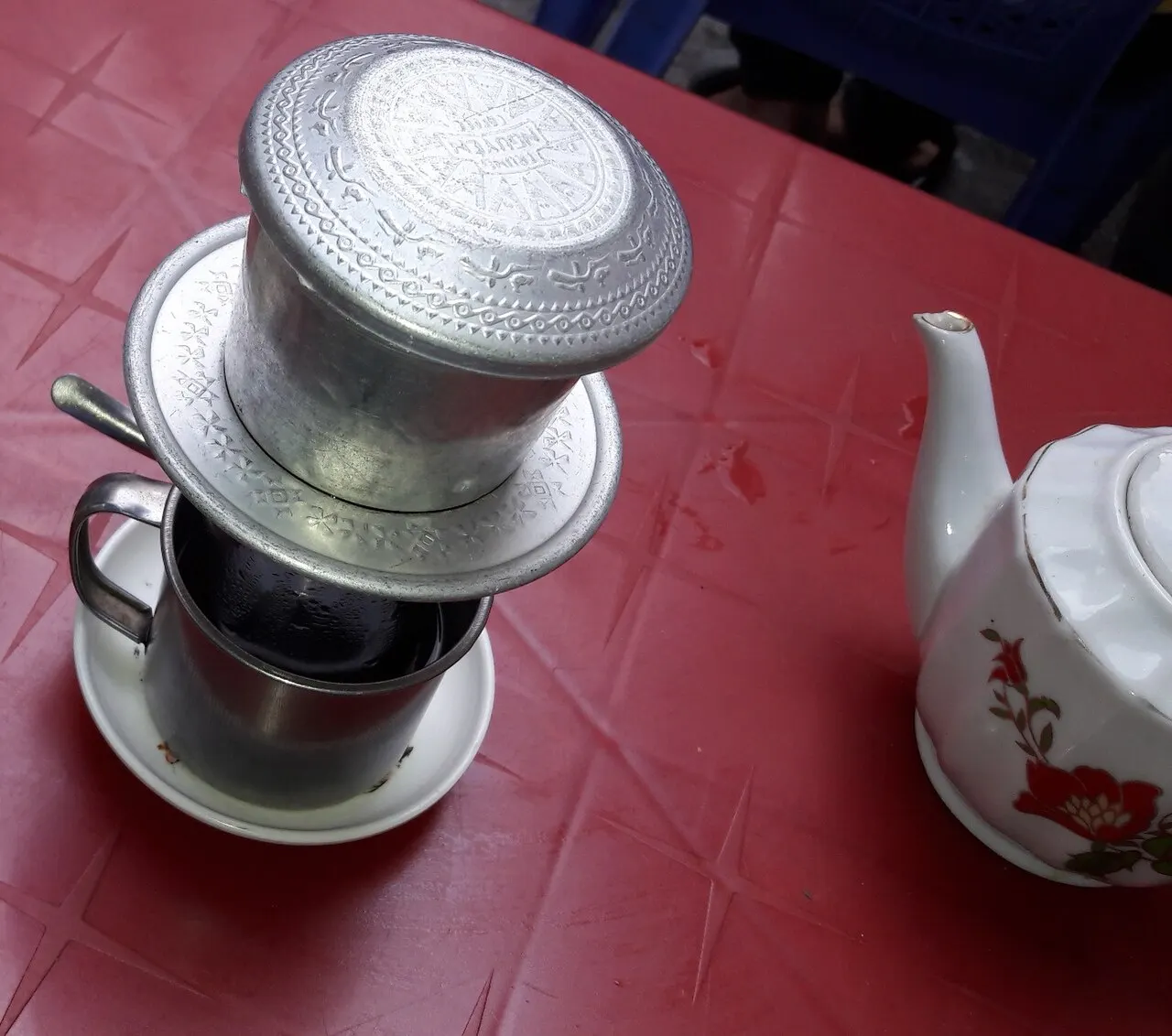
Picture the drip of a phin filter, the smell of fresh grounds rising from the cup, and your own hands tamping the coffee for the first time while an instructor watches.
This guide helps you pick the class that teaches the skill you actually want to take home, by comparing the published formats side by side.
What's on the list:
- 96B Vietnamese brewing: for a usable home routine
- 96B latte art: for milk and espresso curiosity
- Lacàph discovery: for coffee and cultural context
- Lacàph egg-coffee session: for a specific drink
How we picked:
- A researched shortlist built from the official and operator sources linked at the end; it is not a report of a personal visit.
- We do not list prices or opening hours, which change; check with the operator before you go.
- Facts checked against the linked sources on 20 October 2026.
Coffee classes can look similar in booking photographs while teaching quite different things. A demonstration about beans, a hands-on phin lesson and a milk-steaming session solve different problems. This Sài Gòn shortlist compares published formats from two operators, 96B and Lacàph. It is deliberately a small, named comparison rather than an unsupported claim to cover every class in the city. “Best” means the most relevant format for the skill described. We have not attended these sessions, and places, languages and menus must be confirmed for your date.
96B Vietnamese brewing: for a usable home routine
96B publishes a Vietnamese-coffee workshop covering phin, egg coffee and coconut coffee. This is the most direct fit on the shortlist if you want to return home with a method rather than only a tasting memory. Ask how much of the measuring and brewing each participant does. A class is more useful when you can explain the sequence yourself at the end. Bring a small notebook and record the actual coffee, grind and water quantities used; instructions that work in the teaching room should be understandable later in your own kitchen.
96B latte art: for milk and espresso curiosity
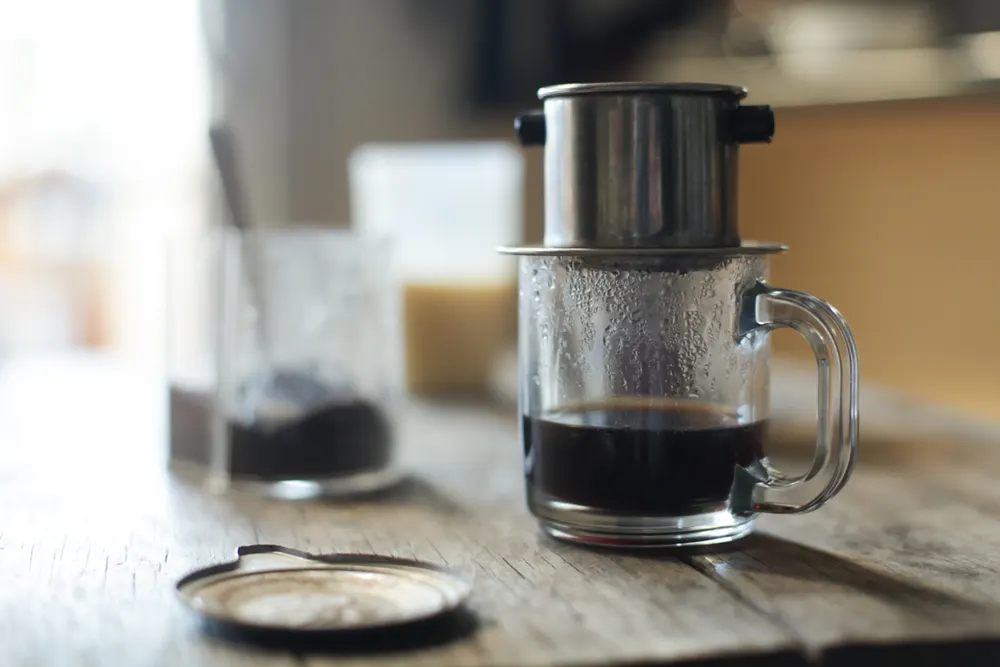
The operator also lists a latte-art format covering espresso basics and milk steaming. Choose it if the appeal is working with equipment and understanding a cafe-style drink. Do not assume a short class makes a beginner ready for commercial service. Its value can be learning what dose, texture and pouring do to the finished cup. Check whether non-dairy milk is available if needed, and whether the chosen milk behaves differently. Watching an instructor pour is enjoyable, but a shopper should establish how much individual practice the advertised session includes.
Lacàph discovery: for coffee and cultural context
Lacàph lists a hands-on discovery experience about Vietnamese coffee and culture. This suits someone who wants stories and comparisons alongside preparation. Ask which brewing methods are included in the current session and whether there is time for questions about beans and everyday drinking habits. The operator's language about culture is a description of its programme, not a substitute for one universal account of Vietnam. Arrive curious and leave room for variation: the way one family or cafe makes a drink may differ from what you are shown in a visitor workshop.
Lacàph egg-coffee session: for a specific drink
For someone who is particularly interested in egg coffee, a focused session can be a better purchase than a broader tour. Lacàph publishes an egg-coffee experience as a separate format. Confirm ingredients, participation and dietary requirements beforehand. If the activity is a gift, check that the recipient actually wants to taste the ingredients involved. A narrow class is successful when it gives enough repetition and explanation to reproduce the result. It is less attractive if you mainly want to compare several coffees, in which case a tasting-led format may fit better.
Compare the full booking, not only the headline
Write down the language, duration, group size, ingredients, hands-on portions and cancellation terms for your preferred session. These details affect value more than an old advertised discount. If several drinks are served, ask about smaller tastings or a decaffeinated alternative rather than assuming you should finish every cup. For children or people avoiding caffeine, ask whether an appropriate activity is possible and what the operator recommends. A class with a seat is not automatically suitable for every participant; also check access and the work-surface arrangement.
Turn the class into a lasting souvenir
Photograph your own notes and equipment only where permitted. Before leaving, try explaining the method back in plain words and ask about the first adjustment to make if the drink tastes wrong at home. Buy equipment after that conversation, when you know what you will use. The most valuable souvenir may be a compact phin and a written recipe rather than an elaborate bundle. Leave the rest of the day loose enough for a walk and a meal; adding another coffee tasting immediately afterwards can make it harder to remember what you learned.
Compare tours and activities on Klook → (Check the current terms, inclusions and cancellation policy before booking.)
Sources and scope
- 96B workshops: Operator; workshop formats and languages; no price claims reproduced.
- Lacaph Vietnamese coffee experiences: Operator; workshop formats, not booking availability.