Best Heritage Stops in Vũng Tàu Beyond the Beach Photograph
Affiliate disclosure: This page contains affiliate links. If you buy through them we may earn a small commission at no extra cost to you. As an Amazon Associate I earn from qualifying purchases. Read our full disclosure.
Picture stepping out of the bright sun into a quiet old building, sea air still on your skin and the sound of waves somewhere beyond the walls.
This guide helps you pick one cultural outing that adds a different layer to your beach stay, without four hurried stops.
What's on the list:
- White Palace: for a building and its coastal setting
- The provincial museum: for a wider regional question
- Robert Taylor Museum of Ancient Weapons: for specialised collecting
- Thắng Tam: for learning through respectful observation
How we picked:
- A researched shortlist built from the official and operator sources linked at the end; it is not a report of a personal visit.
- We do not list prices or opening hours, which change; check with the operator before you go.
- Facts checked against the linked sources on 20 October 2026.
The beach is only one way into Vũng Tàu. A museum, a former residence or a place of worship can add a different layer to a coastal stay, especially when you choose by interest rather than visiting every landmark. This guide brings together four places named in the national tourism authority's destination feature. Its shortlist is based on published identities and themes, not on personal visits or current exhibit inspections. Opening hours, charges and temporary access were not verified. Use the place names to investigate the option that genuinely interests you before making it the centre of a day.
Address note: since 1 July 2025 the former Bà Rịa–Vũng Tàu province has been part of Hồ Chí Minh City, so newer maps and booking pages may list Vũng Tàu addresses under Hồ Chí Minh City. (source: National Assembly Resolution 202/2025/QH15)
White Palace: for a building and its coastal setting
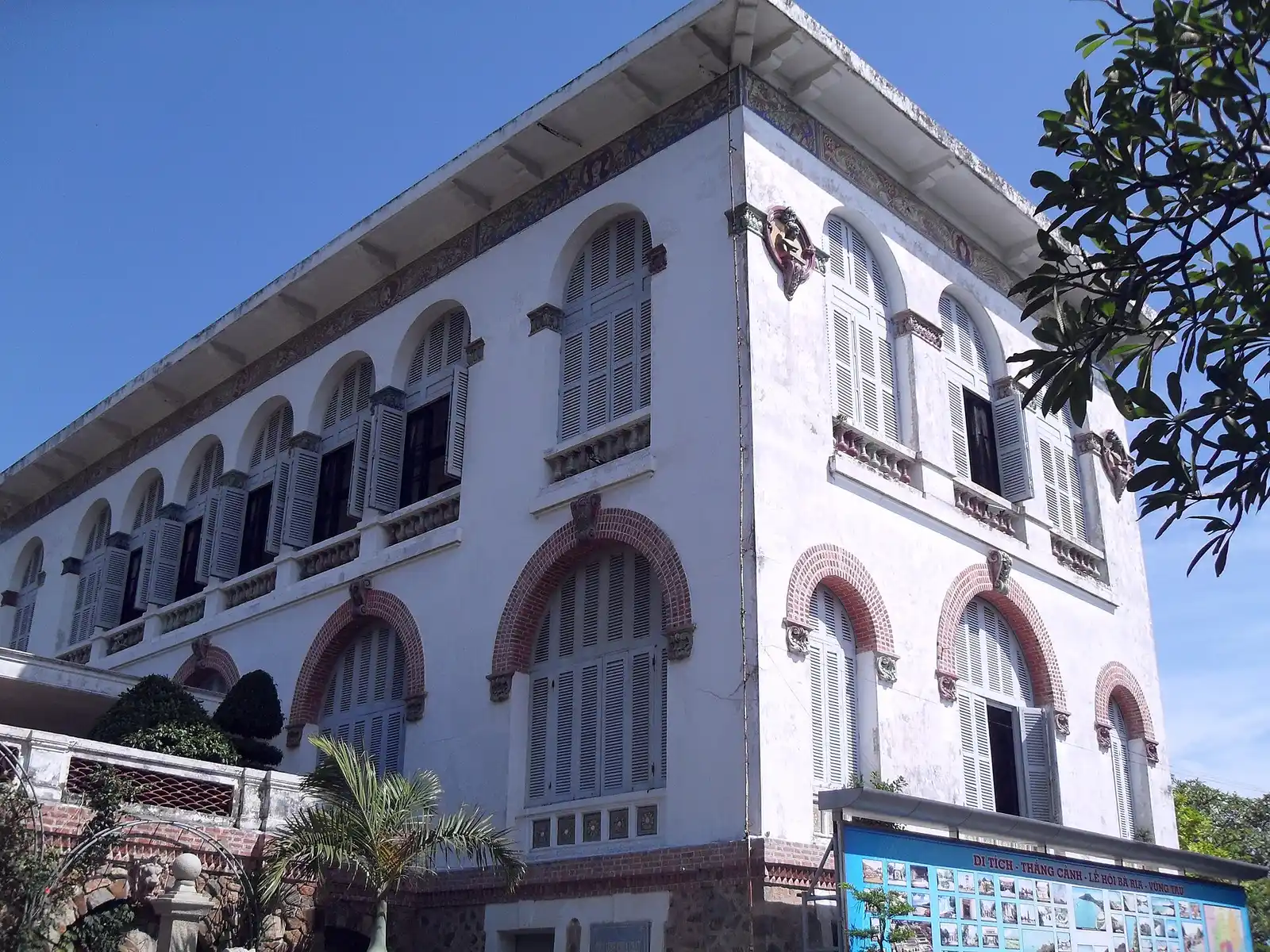
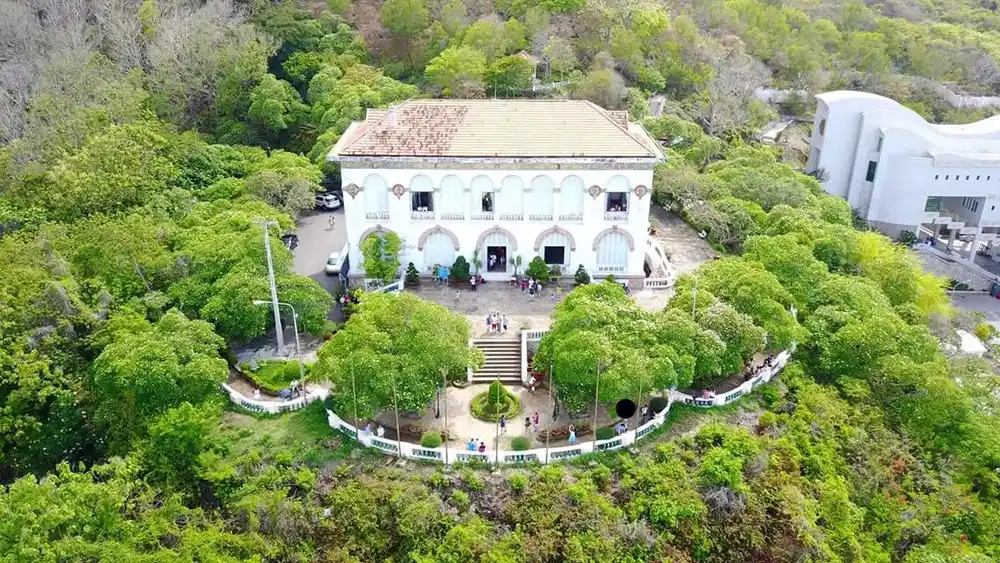
Bạch Dinh, or White Palace, is a useful anchor for someone interested in the relationship between a historical building and the shore. The national feature places it near Front Beach and identifies its past as a retreat associated with the colonial administration. Give the building context rather than treating it only as a white backdrop for photographs. Read the information available on site and distinguish the house's history from later display material. If steps, slopes or heat would affect the visit, ask about the current approach and available seating before committing to the outing.
The provincial museum: for a wider regional question
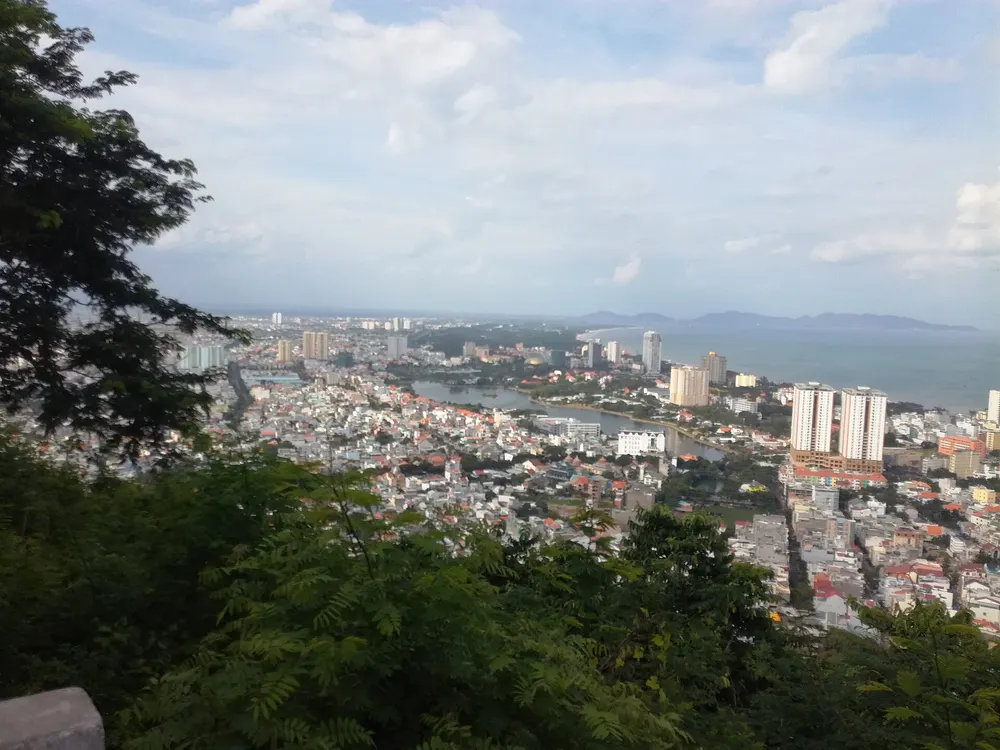
The national feature identifies the Bà Rịa–Vũng Tàu Museum near the White Palace area. It is the natural candidate when your interest extends beyond one building to the wider region. Approach it with a question such as how the coast has been used or what kinds of objects represent local history. Check the museum's current visitor information and exhibition access rather than assuming a general mention describes today's full display. A short, focused visit can be worthwhile when you take time to understand a few objects and their labels instead of trying to absorb every room.
Robert Taylor Museum of Ancient Weapons: for specialised collecting
The Robert Taylor museum is a distinct option for visitors interested in military objects, uniforms and the practice of collecting. The national tourism account identifies its specialism, but that does not make it the right museum for everyone. A group with varied interests should discuss whether the subject appeals before travelling there. Look at how objects are classified and described, and avoid assuming that a large collection settles every historical question. For children, preview the subject and decide how much detail suits them. Current access and photography rules should be checked with the museum.
Thắng Tam: for learning through respectful observation
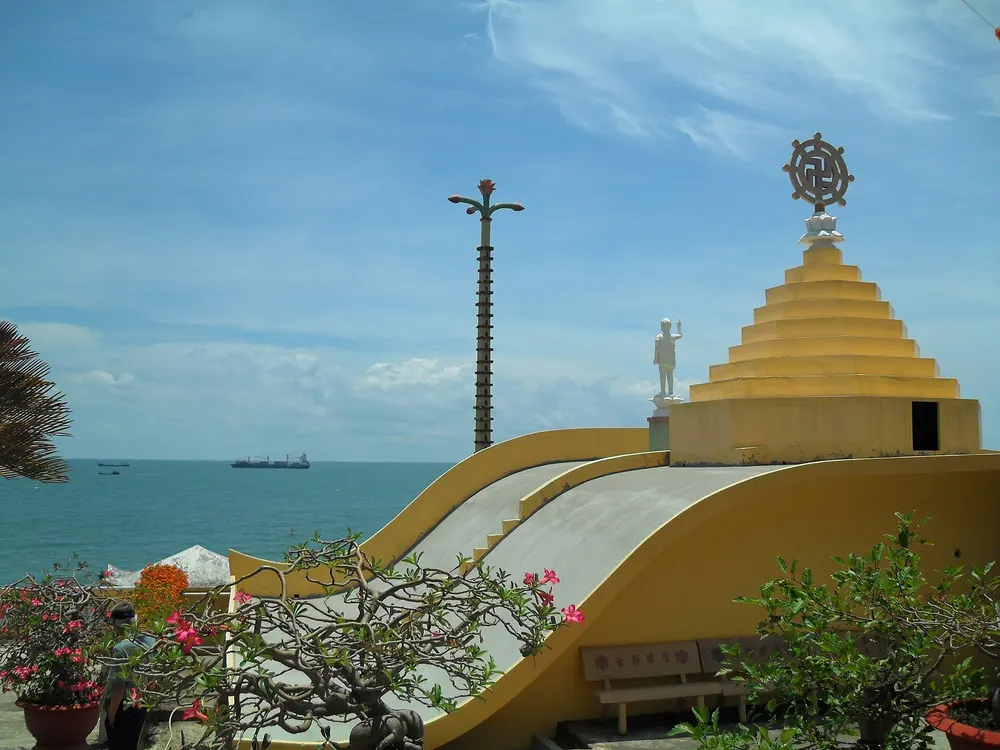
Thắng Tam appears among the city's spiritual and historical sites in the national feature. A visit should begin with the recognition that a heritage site can also be a place of active community meaning. Follow dress guidance, signs and local directions. Ask before making close-up photographs of people, ceremonies or offerings, and do not move objects to improve an image. If an activity is taking place, standing back may be more appropriate than following your planned route. The value of the stop is learning how a place is used, not obtaining unrestricted access to every corner.
Build one cultural outing, not four hurried stops
Choose a main subject and one optional companion. White Palace and a museum may suit a building-and-objects theme, while a spiritual site deserves a pace that respects what is happening when you arrive. Leave a break after the main visit and decide whether you still want another. Transport between named attractions can seem minor on a map while adding fatigue in practice. Check exact entrances and current notices, and avoid making tight meal reservations that force you to rush. A coastal trip has room for heritage without becoming a checklist of indoor obligations.
Keep claims proportional to what you learn
Write down the actual names and one question to follow up later. If a label presents a date or interpretation, attribute it rather than repeating it as something you independently established. The source feature provides a starting shortlist, and it cannot confirm today's exhibition content or the experience of a specific visitor. No personal review scores or visitor counts are invented here. The best heritage stop is the one that gives you a more precise question about the place and enough time to pursue it respectfully while you are there.
Compare tours and activities on Klook → (Check the current terms, inclusions and cancellation policy before booking.)
Sources and scope
- Vietnam Tourism: Sensing Vung Tau: National tourism authority; coastal places, museums and cultural landmarks.