Best History Museums in Sài Gòn: Three Different Ways Into the City
Affiliate disclosure: This page contains affiliate links. If you buy through them we may earn a small commission at no extra cost to you. As an Amazon Associate I earn from qualifying purchases. Read our full disclosure.
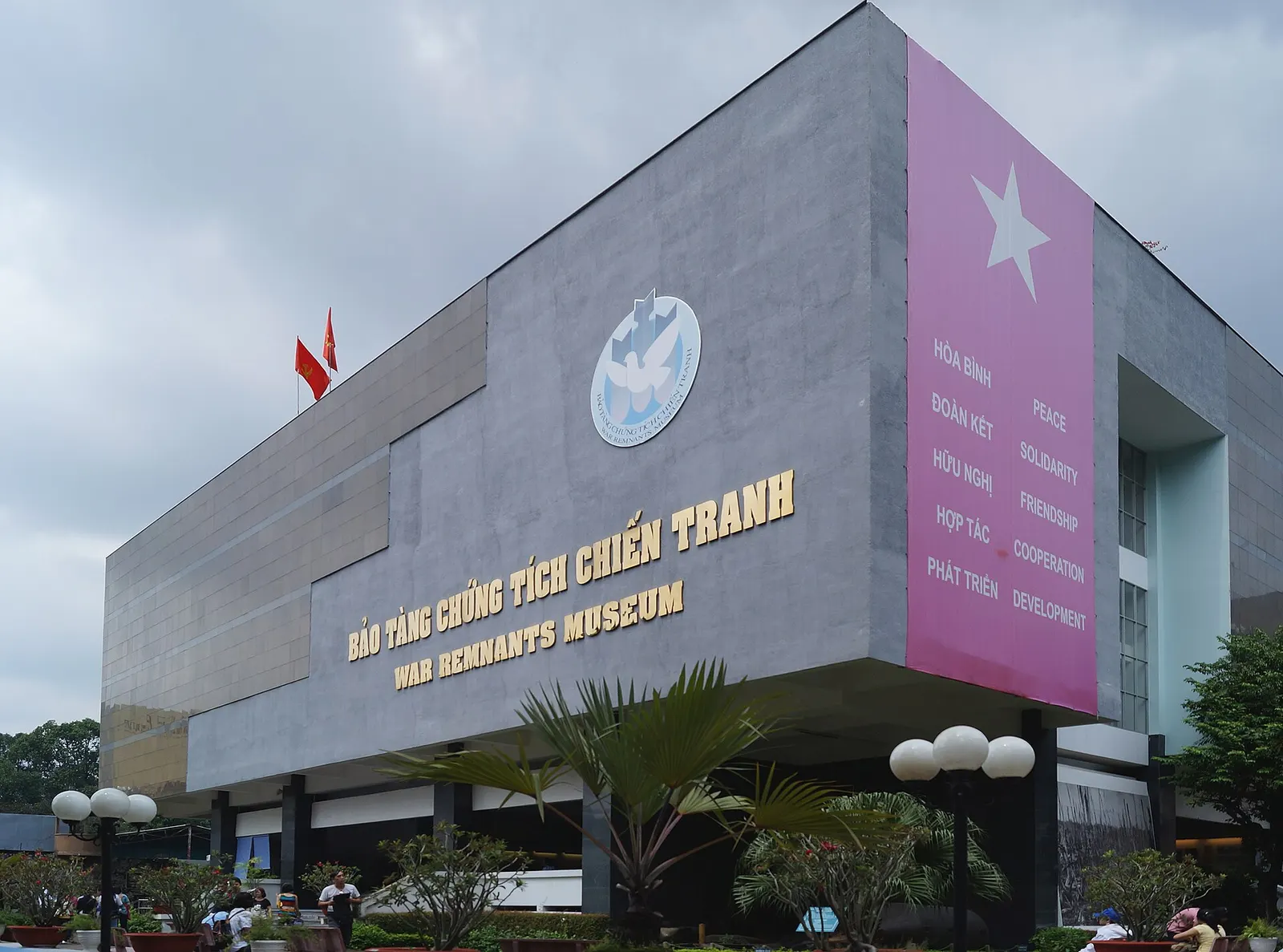
Picture a hot Sài Gòn morning: you step out of the traffic noise into a cool, quiet hall, and the only sounds are footsteps on stone and someone reading a caption under their breath. An hour later you are standing in the sun again, thinking about the city differently.
This shortlist helps you choose the one museum that matches the question you care about, so the day feels focused instead of rushed.
What's on the list:
- War Remnants Museum: for the consequences of conflict
- Museum of Ho Chi Minh City: for the city's changing identity
- Independence Palace: for architecture and political space
- Pick one anchor, then decide on a second
How we picked:
- A researched shortlist built from the official and operator sources linked at the end; it is not a report of a personal visit.
- We do not list prices or opening hours, which change; check with the operator before you go.
- Facts checked against the linked sources on 20 October 2026.
A museum day works better when the subject comes before the route. Someone interested in domestic architecture will get a different afternoon from someone trying to understand the human consequences of war. Our shortlist brings together three established places in Sài Gòn, also called Hồ Chí Minh City, for those distinct interests. “Best” here means the clearest fit for the purpose described, based on published collection information. These are researched editorial choices, not reviews from a visit or a ranking by visitor scores.
War Remnants Museum: for the consequences of conflict
The War Remnants Museum on Võ Văn Tần is the strongest starting point if your question is how war affected people. The municipal tourism page describes photographic exhibitions, military objects and testimony, and explicitly warns about graphic material. Choose this museum for sustained attention rather than as a quick photo stop. Before bringing a child, decide which galleries an adult will preview and where the group can pause. A compelling subject does not require seeing every room; leaving time to process what you have read is part of a useful visit.
Museum of Ho Chi Minh City: for the city's changing identity
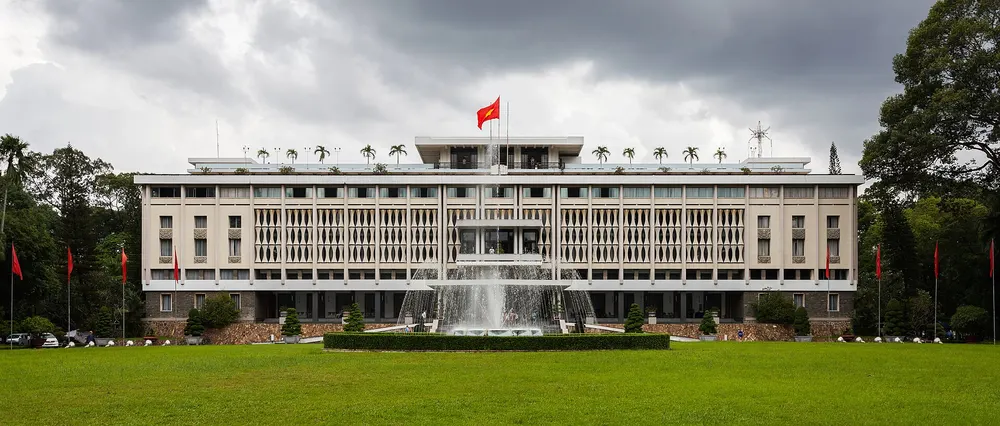
The city museum on Lý Tự Trọng suits visitors who want the broader urban story. Its published themes include archaeology, geography and the cultures that have shaped the city. It is a useful alternative for a mixed-interest group: one person can focus on objects, another on the building, and both can return to the same question about how Saigon developed. Read the label on an object before taking its photograph. A few well-understood objects will leave a clearer memory than dozens of attractive images without names or context.
Independence Palace: for architecture and political space
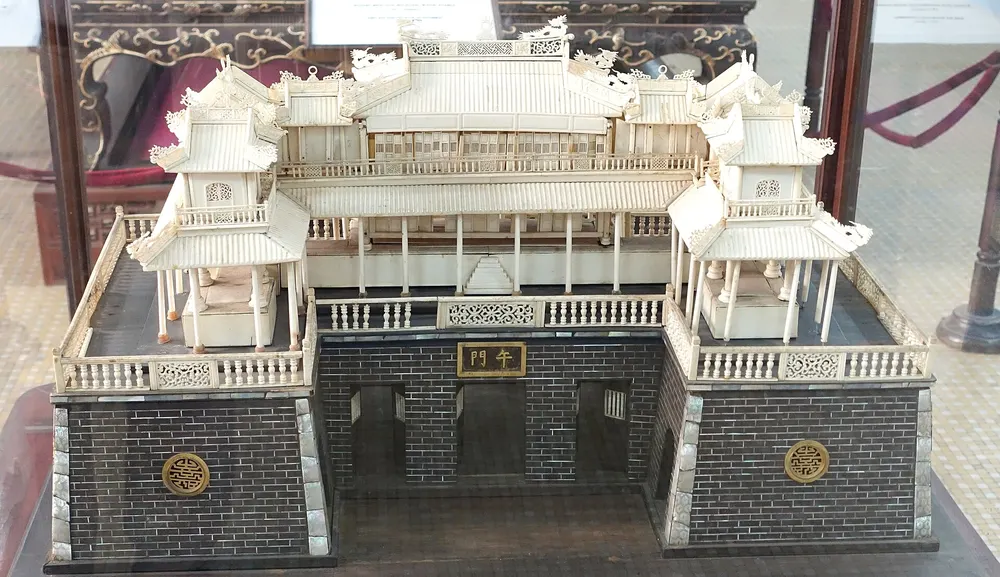
Independence Palace, Dinh Độc Lập, offers a different kind of encounter: a large historical site whose spaces help visitors think about the relationship between government, ceremony and everyday work. Choose it when you enjoy understanding a building through its rooms and circulation. Check the site's current visitor notice and the ticket package rather than assuming every exhibit is included. If your group prefers to move quickly, agree on one architectural feature each person wants to examine, then compare observations at the end instead of racing from room to room.
Pick one anchor, then decide on a second
For a first visit, make one museum the anchor of the day. Reserve the first stretch of attention for its central theme and use a break to decide whether another visit still sounds appealing. The city museum and palace serve different purposes even though both have striking buildings; select the one that fills a gap in your understanding. Do not stack the War Remnants Museum immediately before an entertainment booking with no breathing room. Build a plan around what the group can absorb, not the number of tickets it can collect.
Practical checks that change the experience
Look at current opening notices, ticket inclusions, bag rules and photography restrictions before departing. Published tourism pages can lag operator changes, so treat any old price screenshot as a prompt to check rather than a budget guarantee. If steps or long periods standing are difficult, ask about the actual route through the galleries, available seating and lifts. A building being open to visitors does not establish step-free access. Carry the Vietnamese place name as well as the English one to make the arrival point easier to identify.
A useful question to take home
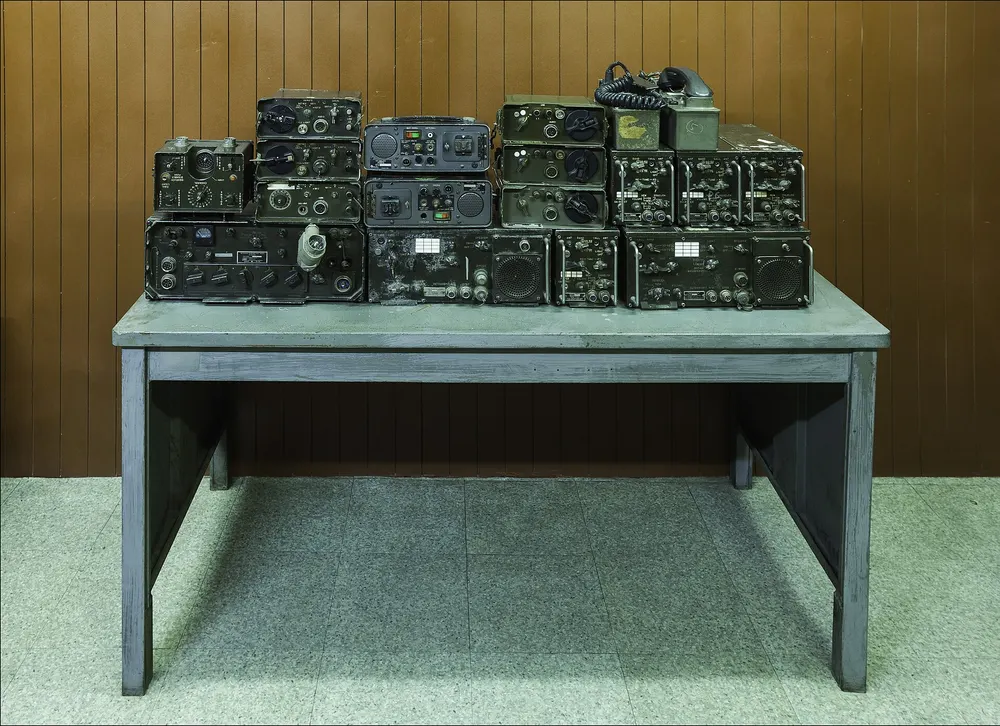
After the visit, write down one object, one uncertainty and one thing you would like to read from another perspective. This turns the museum into a starting point for learning rather than a completed checklist. When the group chooses different highlights, discuss why. You do not need to settle on one interpretation to have had a worthwhile day. The best pairing is the one that makes room for those conversations and still leaves everyone enough energy to notice the city outside the museum.
Compare tours and activities on Klook → (Check the current terms, inclusions and cancellation policy before booking.)
Sources and scope
- Visit HCMC: War Remnants Museum: Municipal tourism authority; collection focus and content considerations.
- Visit HCMC: Museum of Ho Chi Minh City: Municipal tourism authority; site identity, exhibits and location.
- Visit HCMC: Independence Palace: Municipal tourism authority; identity, location and operator link.