Gifts for Birdwatchers: Choose for the Way They Watch
Affiliate disclosure: This page contains affiliate links. If you buy through them we may earn a small commission at no extra cost to you. As an Amazon Associate I earn from qualifying purchases. Read our full disclosure.

Picture cool morning air, birdsong overhead, and the moment a small bird snaps into focus through steady binoculars.
This guide helps you choose a gift that fits the way they watch, from a window or on a long walk.
What's on the list:
- A field notebook for the person who records observations
- An identification resource for the right place
- Binoculars are best chosen with the viewer
- Carrying accessories should fit the existing optics
How we picked:
- We compared buying needs, product categories and fit questions; we have not tested these items in person.
- We do not list prices or ratings, which change; check the retailer page before buying.
- Facts checked against the linked sources on 20 October 2026.
Birdwatching can mean a short look from a window, an early walk in a park or a long day observing distant shorebirds. The right gift depends on which version the recipient enjoys. Start with where they watch and what they already carry. This guide offers a set of buying decisions, not an independently tested optics ranking. Cornell Lab of Ornithology's binocular guidance is a useful primary reference for fit and magnification tradeoffs. We do not claim that any particular model is best for every viewer, and no current prices or review scores are invented.
A field notebook for the person who records observations
A small notebook can be useful when it suits the way the recipient makes notes. Ask whether they prefer paper, an app or a combination. Choose a size that fits the actual bag and leaves room for location, date, behaviour and unanswered identification questions. A rigid checklist is less helpful if it encourages guessing a species simply to fill a box. Include a suitable pencil or pen only if the recipient wants one. The gift should support observation, not turn every walk into a reporting obligation. A few precise notes can be more rewarding than a long list made in a hurry.
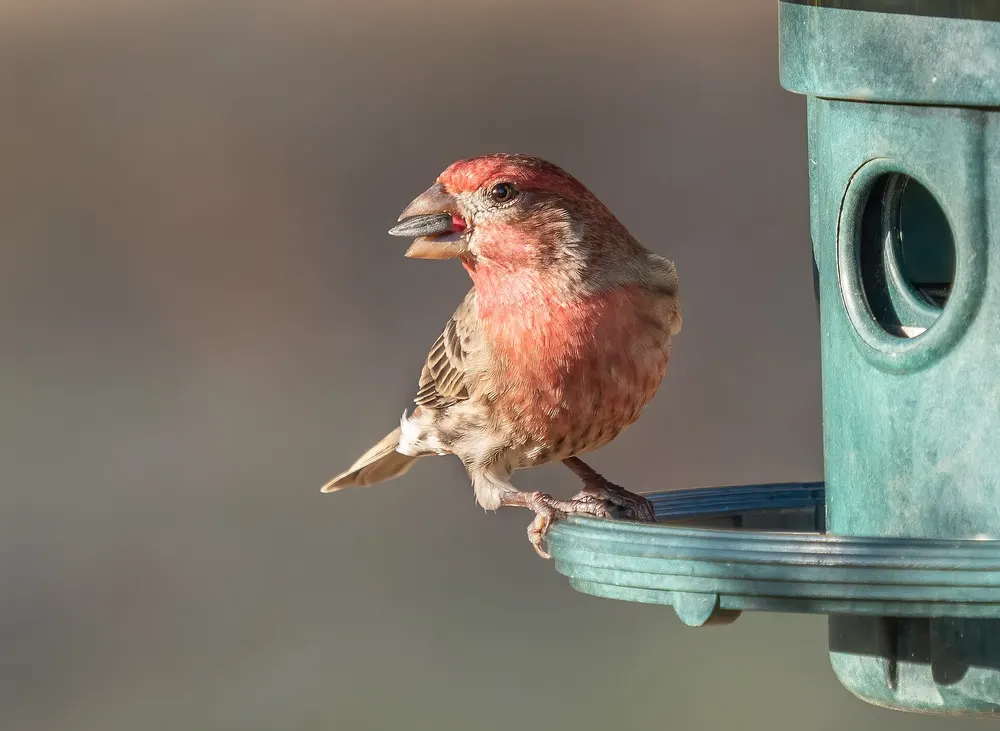
An identification resource for the right place
A bird book or learning resource should match the region and the reader's level. A beautiful guide to another continent may be interesting but not practical for local walks. Check the edition, language, size and way species are organised. Some people enjoy a large reference at home and a compact option outdoors. If the recipient already has a trusted guide, ask what gap remains rather than buying a near-duplicate. A gift can also be time to explore a reliable identification resource together. Keep uncertainty normal: learning to notice what is missing from an observation is part of the pleasure.
Binoculars are best chosen with the viewer
Optics are a significant fit decision. Cornell's guidance emphasises trying binoculars and considering magnification, steadiness and the way they feel in use. Use that as a reason to involve the recipient rather than to choose a specification from a headline. People differ in hand comfort, glasses use and the distance at which they usually watch. A higher number is not automatically an upgrade. Arrange a shop visit or give a clearly defined contribution toward the pair they choose. An excellent present can preserve the surprise of the gesture while leaving the expensive personal decision in the right hands.
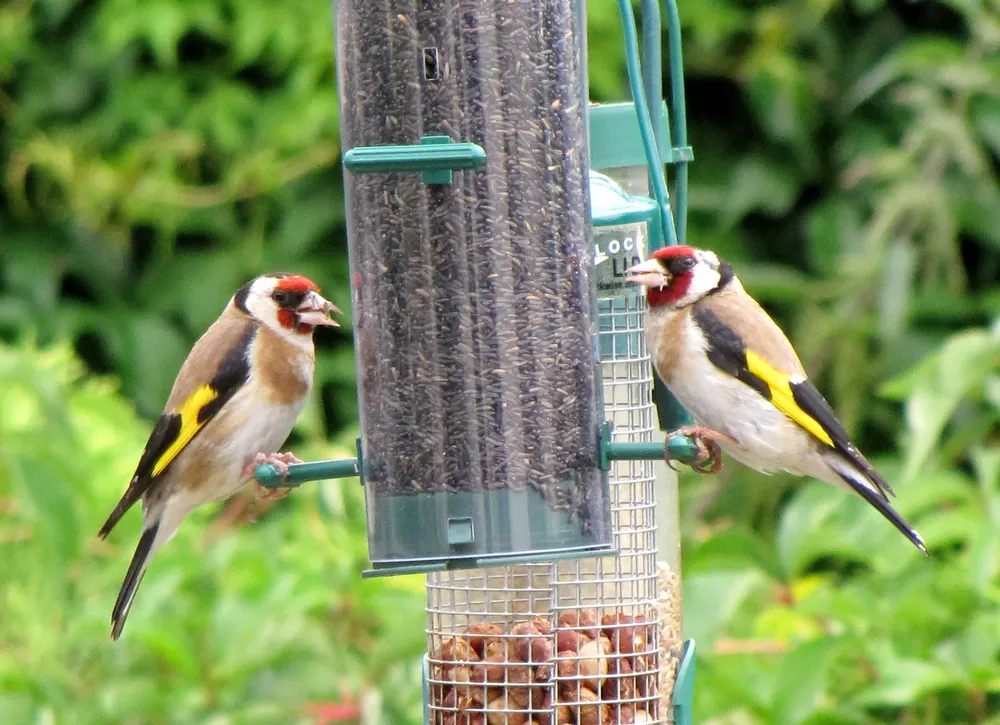
Carrying accessories should fit the existing optics
If the recipient already has binoculars, a case, strap or small carrying aid may be a better gift than new optics. Verify the attachment and dimensions, and ask whether the current system causes discomfort or simply looks worn. A heavier accessory can undermine the portability that makes the binoculars enjoyable. Avoid claims of protection beyond the maker's instructions. Keep the receipt until the fit is checked and do not modify the equipment as part of wrapping the gift. A practical accessory should make it easier to notice birds, not demand more attention than the watching itself.
An outing can be more valuable than another object
Offer a visit to a place the recipient wants to explore, with transport and timing arranged around their preference. Do not promise particular sightings or describe a location as reliably quiet without checking current conditions. Let the birdwatcher set the pace and accept that a good outing may involve standing still for a long time. If you join, keep noise and disturbance low and follow local rules. A guided activity should be chosen for its actual format, group size and guide credentials, not a photograph of an exciting species that may never appear on the day.
The best gift supports the way the person already pays attention to birds while leaving room to learn. That might be a regionally appropriate book, a simple notebook or a contribution toward optics selected together. Avoid buying wildlife-attracting products without asking about the location and responsibilities involved. A birdwatching gift does not need to promise rare sightings or expertise. It should make the next ordinary walk more comfortable, more interesting or easier to remember, with the recipient free to decide what they want to observe.
Browse birdwatchers gift ideas on Amazon → (Check current reviews, price and returns on the product page.)
Sources and scope
- Cornell Lab: Choose binoculars: Primary testing/education source; fit and magnification tradeoffs.