Gifts for Board Gamers: Buy for the Table They Actually Have
Affiliate disclosure: This page contains affiliate links. If you buy through them we may earn a small commission at no extra cost to you. As an Amazon Associate I earn from qualifying purchases. Read our full disclosure.
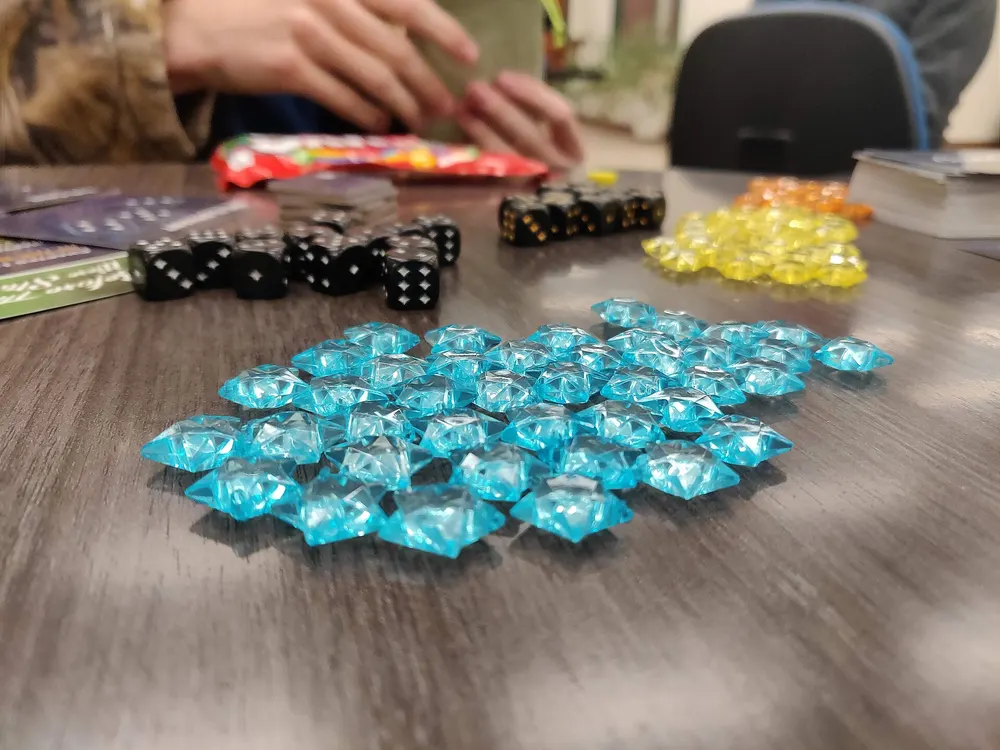
Picture dice rattling across a table, cards shuffling, snacks within reach, and a burst of laughter as the last turn decides the game.
This guide helps you buy for the table and the group they actually have.
What's on the list:
- Player count comes before theme
- Read the rules before buying an expansion
- Accessories should solve a problem the group has noticed
- A game night can be the whole gift
How we picked:
- We compared buying needs, product categories and fit questions; we have not tested these items in person.
- We do not list prices or ratings, which change; check the retailer page before buying.
- Facts checked against the linked sources on 20 October 2026.
A highly praised game can be a poor gift when it needs more players, table space or rules time than the recipient usually has. Start with an ordinary game night: who attends, how long they play and which games they choose again. This guide is a buying framework rather than a ranking from playtesting. Publisher rulebooks, such as CATAN's official library, are useful primary sources because they let you inspect the format before paying. No review scores, current prices or claims of personal gameplay are supplied. The right present fits the real table, not an imagined ideal group.
Player count comes before theme
Ask how many people normally play, and distinguish a printed player range from the group's preferred experience. A game that technically supports a number may still require a different rhythm from the one the recipient enjoys. If two people play most often, investigate the rules for that situation rather than assuming a popular multiplayer box is the obvious choice. If the group includes occasional visitors, consider how easily someone can join. Theme can help create interest, but it should not hide a mismatch in the basic format. A familiar subject is no substitute for a game the available people can actually play.

Read the rules before buying an expansion
Expansions and extensions are particularly easy to buy incorrectly. Confirm the base game, edition, language and any other required parts. Publisher resources often distinguish products that sound similar, and that distinction matters more than the cover illustration. Ask the recipient which addition they want. A surprise expansion can become a request to buy another box before it can be used. Keep the product sealed until the match is checked. If the relevant edition cannot be established, choose a different gift rather than relying on a marketplace seller's broad compatibility claim.
Accessories should solve a problem the group has noticed
Card holders, token trays, storage bags and a playing surface can be useful when they address a real annoyance. Measure the table and components first. A beautiful organiser may not fit sleeved cards or a different printing of the game. A mat may be inconvenient if it must be stored flat in a small home. Ask whether setup, cleanup or keeping pieces visible is the problem. Then choose one modest solution. Do not assume that every gamer wants to spend more time organising; some value getting the box open and starting quickly above an elaborate presentation.
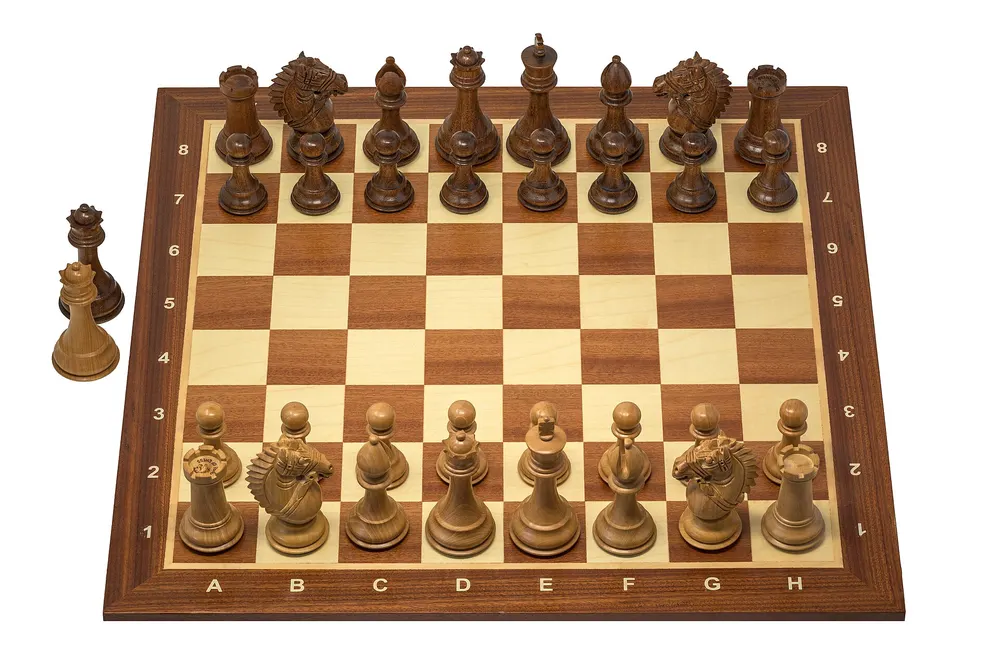
A game night can be the whole gift
Offer a specific evening in which you handle the practical work: arranging a suitable table, confirming guests and preparing simple food. Let the recipient choose the game and whether they want to teach it. Avoid making them responsible for entertaining everyone because you called the gathering their gift. Keep the group size appropriate and allow an easy finish time. If you are buying a new game for the occasion, read the rules beforehand and be prepared for the group to prefer something familiar. A successful evening is not a demonstration that the new purchase was the correct one.
Language and physical usability matter
Check the language on the exact edition and how much text players must read. Icons can reduce language demands in some games, but do not assume that a box with attractive symbols is language-independent. Think about print size, component handling and the room's lighting if those affect the group. Do not frame these questions as limitations attached to a person's age; ask what makes play comfortable. Clear rules and readable components help many tables. A suitable gift allows people to participate without unnecessary embarrassment or dependence on another player explaining every card.
Choose the gift only after the player count, edition and typical session are clear. Save a receipt and keep the box intact until the recipient confirms the choice. If you know too little about their collection, a publisher-store credit or a shared shopping trip may be more useful than a speculative blockbuster. The best board-gamer gift creates more enjoyable time together. Sometimes that is a new box. Sometimes it is a small tray, a cleared table and an evening when the person who usually organises everything can simply sit down and play.
Browse board gamers gift ideas on Amazon → (Check current reviews, price and returns on the product page.)
Sources and scope
- CATAN official game rules: Publisher; edition and player-format verification, free rules before purchase.