Gifts for New Stargazers: Make the First Nights Easier
Affiliate disclosure: This page contains affiliate links. If you buy through them we may earn a small commission at no extra cost to you. As an Amazon Associate I earn from qualifying purchases. Read our full disclosure.
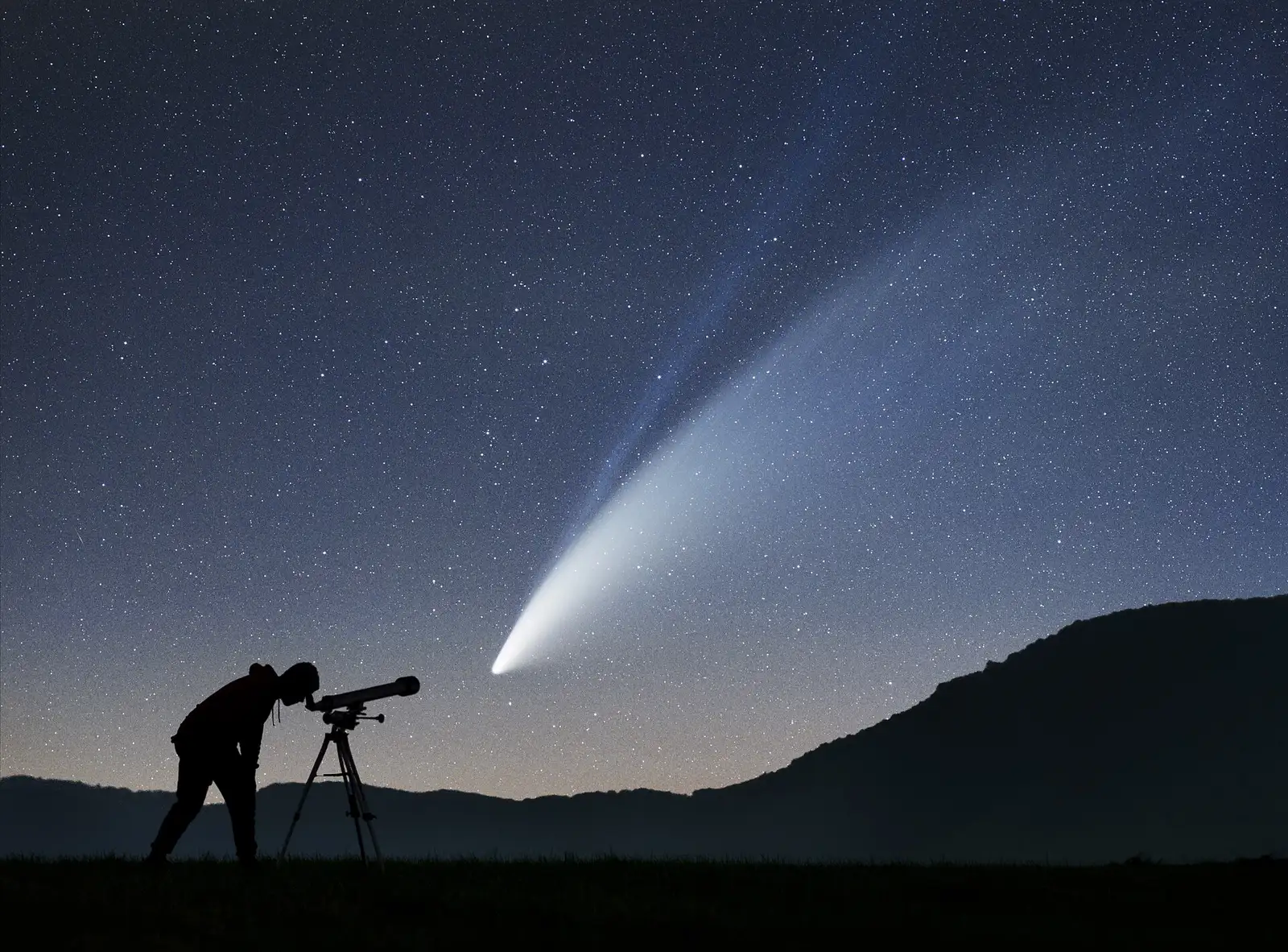
Picture a dark backyard, cool night air on the skin, and the first time the Moon's craters come into sharp view.
This guide helps you make a beginner's first nights under the sky easier and more enjoyable.
What's on the list:
- Begin with a map and a realistic place to use it
- Binoculars or a telescope should be a shared decision
- Comfort can be the gift that gets used every time
- A local learning experience needs a clear format
How we picked:
- We compared buying needs, product categories and fit questions; we have not tested these items in person.
- We do not list prices or ratings, which change; check the retailer page before buying.
- Facts checked against the linked sources on 20 October 2026.
The first useful astronomy gift may be a way to learn the sky rather than a telescope. A beginner needs somewhere to observe, a manageable plan and equipment they can understand and carry. Start by asking what has caught their interest: the Moon, constellations, planets or simply spending more time outside at night. Sky and Telescope's beginner resources offer a reliable starting point for these decisions. This guide is an editorial gift framework, not an optics test or a promise of what will be visible on a particular date. Check local conditions and current observing information separately.
Begin with a map and a realistic place to use it
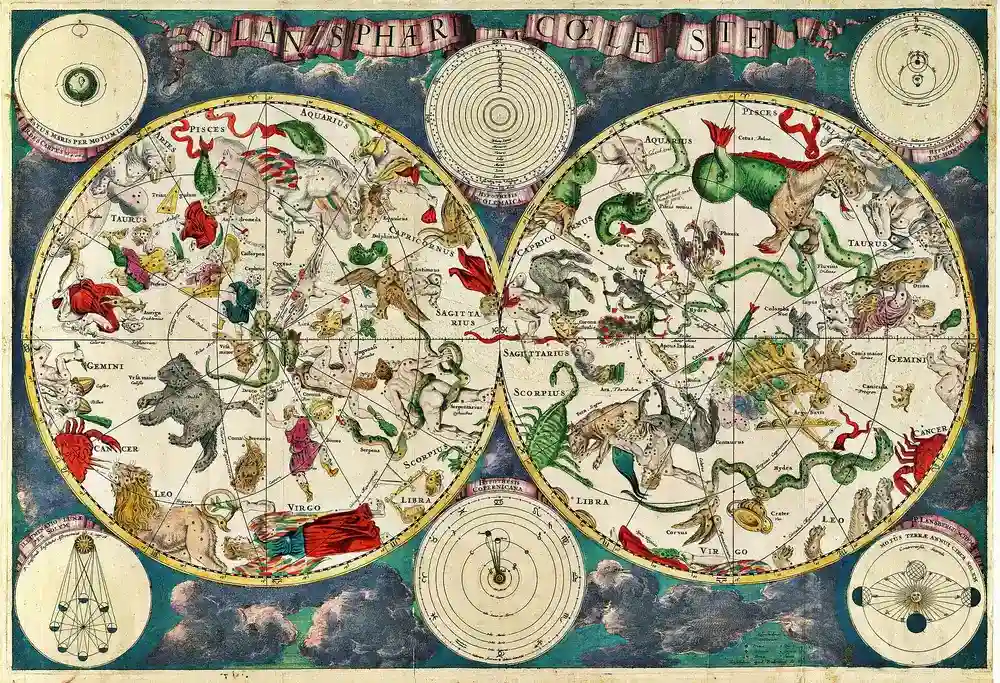
A regionally appropriate star guide or planisphere can be a thoughtful first gift. Verify that it suits the observer's location and that the print is readable in the way they plan to use it. A resource with clear explanations may be more valuable than an enormous catalogue of objects. Pair it with an invitation to spend a short evening learning a few landmarks in the sky. Choose a lawful, suitable location and a comfortable return plan. The gift should not require the recipient to travel far or stay out for hours before they can enjoy their first attempt.

Binoculars or a telescope should be a shared decision
Sky and Telescope notes that binoculars can be useful before a telescope. That is a reason to consider the learning path, not an instruction to buy any pair at random. Ask whether the recipient already owns optics and what they can comfortably hold or mount. A telescope involves more than its tube: stability, setup, storage and transport all affect whether it gets used. Avoid buying on a dramatic magnification claim. If you want to give a substantial equipment gift, offer a contribution and arrange the choice together after the recipient has tried options or spoken with a knowledgeable local group.
Comfort can be the gift that gets used every time
A suitable chair, a practical notebook or a way to organise small items can improve an observing session without changing the optics. Check what the observer carries and how they set up. A bulky chair may be excellent near home and inconvenient for a walk to a viewing spot. A notebook should allow quick notes about conditions and what was noticed, without demanding exact technical records from a beginner. Keep accessories simple enough to use in low light. Do not add equipment that the recipient will have to spend the whole evening learning while the sky changes overhead.
A local learning experience needs a clear format
An astronomy-club event, public observing session or class can be a strong gift if the recipient wants company and guidance. Check the organiser, location, dates, weather policy and equipment expectations before paying. Do not promise that a particular planet, meteor shower or deep-sky object will be visible. A clouded-out event can still be useful if the programme has a clear alternative, but that should be understood in advance. Let the recipient choose the date where possible. Giving time to learn is generous only when it fits their schedule and interests.
Three details to verify before checkout
First, establish where the item will be used and stored. Second, write down what else is required for a first session: mount, batteries, compatible accessories or a guide. Third, check the return and support arrangements. These are more useful than buying a collection of impressive-looking extras. For solar observing, do not improvise filters or give instructions from a general gift guide; specialised equipment and authoritative safety guidance are essential. A beginner's night-sky present does not need to include that separate activity at all. Keep the intended use clear.
A personal note can explain that the gift is for a first evening of curiosity, with no expectation of instant expertise or elaborate photographs. Avoid treating astronomy as a race toward larger equipment. The best present may be a readable guide, a comfortable seat and time together under an ordinary sky. If equipment is the right next step, choosing it with the observer protects both the budget and the pleasure of learning. A gift succeeds when it makes another night outside appealing, even when the most memorable thing is simply recognising one constellation.
Browse beginner stargazers gift ideas on Amazon → (Check current reviews, price and returns on the product page.)
Sources and scope
- Sky and Telescope: Astronomy for beginners: Astronomy publisher; observing before telescope purchase.