Gifts for Watercolour Artists: Paper Before a Bigger Paint Box
Affiliate disclosure: This page contains affiliate links. If you buy through them we may earn a small commission at no extra cost to you. As an Amazon Associate I earn from qualifying purchases. Read our full disclosure.
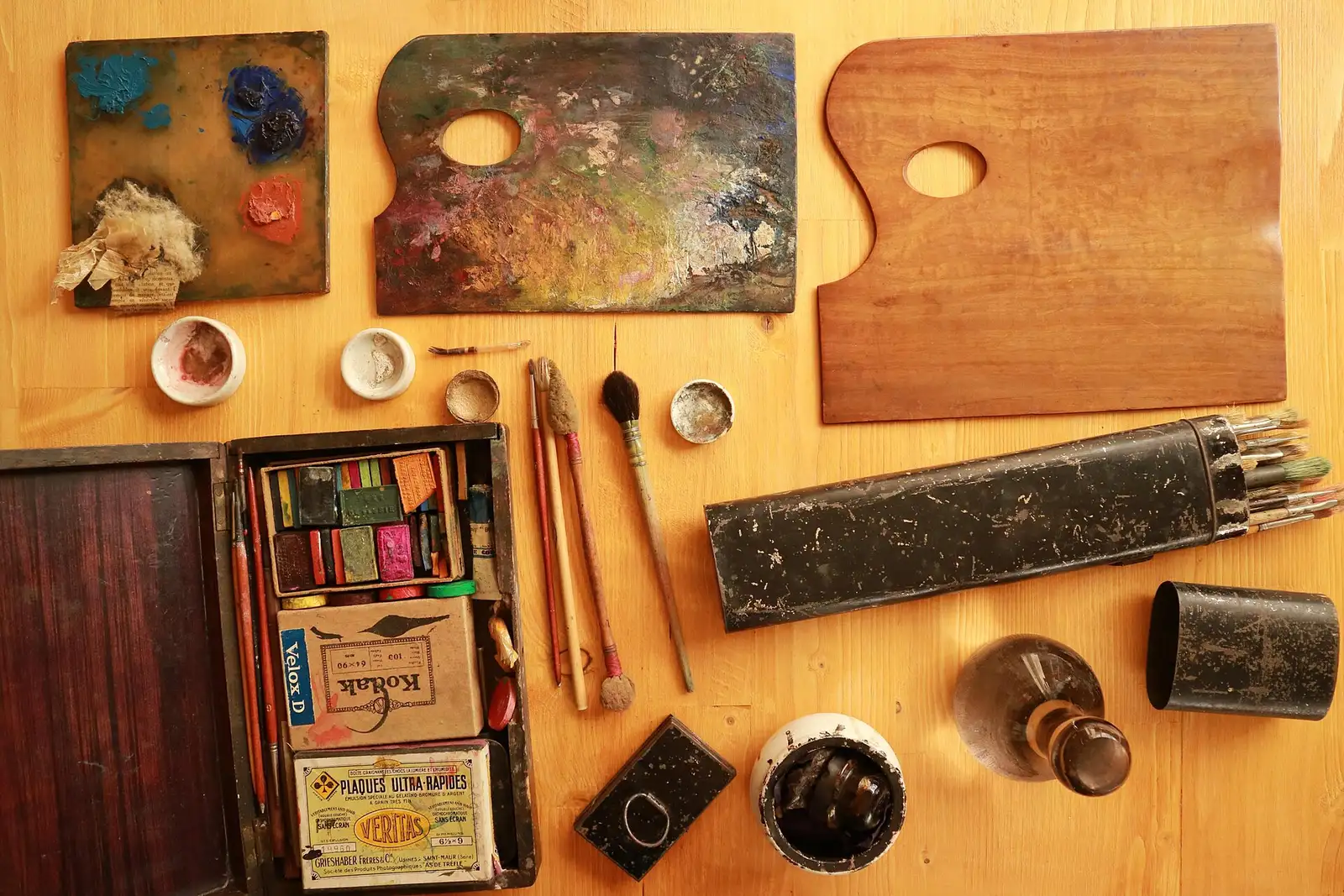
Picture a wet brush touching good paper, colour blooming outward, and the soft scratch of a pencil line beneath the wash.
This guide helps you give the materials an artist will reach for, starting with paper before a bigger paint box.
What's on the list:
- Find out how the artist works
- Paper is a substantive gift
- A brush should solve a known need
- A field kit needs a real carrying test
How we picked:
- We compared buying needs, product categories and fit questions; we have not tested these items in person.
- We do not list prices or ratings, which change; check the retailer page before buying.
- Facts checked against the linked sources on 20 October 2026.
It is tempting to buy an artist the largest paint set the budget allows. A more useful gift may be the paper they love, a replacement brush they have named or a way to carry a small working kit. Watercolour materials interact, and personal preferences develop through use. Start by asking what the artist is painting next and which supplies they would happily replenish. This guide offers shopping criteria, not product test results. Winsor and Newton's paper guidance supports the basic surface distinction; it does not mean every artist should use the same brand or texture.
Find out how the artist works
A person making detailed botanical studies may value a different surface from someone enjoying loose landscapes. Ask whether the work happens at a desk, in a class or outdoors. Look at the size of the current paper and the storage available. These details narrow the gift more effectively than a generic label such as “professional quality.” If you can ask for a specific supply, do so. An experienced artist often appreciates having a favourite material replenished rather than being asked to demonstrate enthusiasm for an unfamiliar set chosen entirely from its packaging.
Paper is a substantive gift
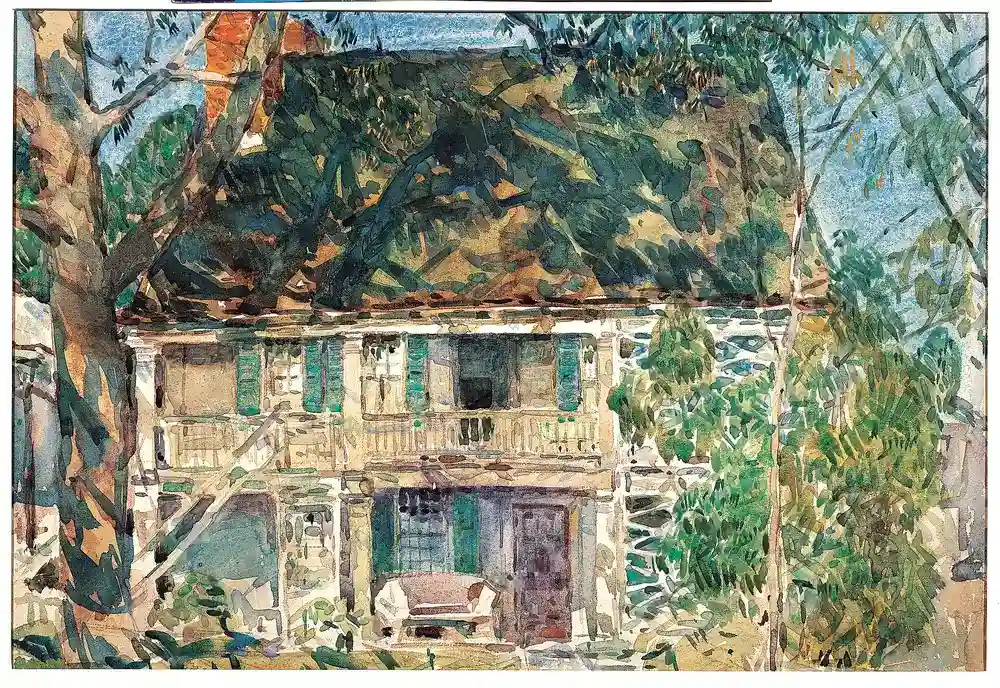
Watercolour paper comes in different surfaces and formats. Manufacturer guidance distinguishes smooth hot-pressed paper from the more textured cold-pressed surface. Use that distinction to ask a question, not to declare one better. Check the artist's preferred weight, fibre information, size and binding. A block, loose sheets and a spiral sketchbook serve different routines. If you cannot identify their preference, a smaller sample selection can be a useful experiment. Keep each sample labelled so a successful test can be repeated. Unlabelled sheets may be attractive to unwrap but frustrating when the artist wants to buy more.
A brush should solve a known need
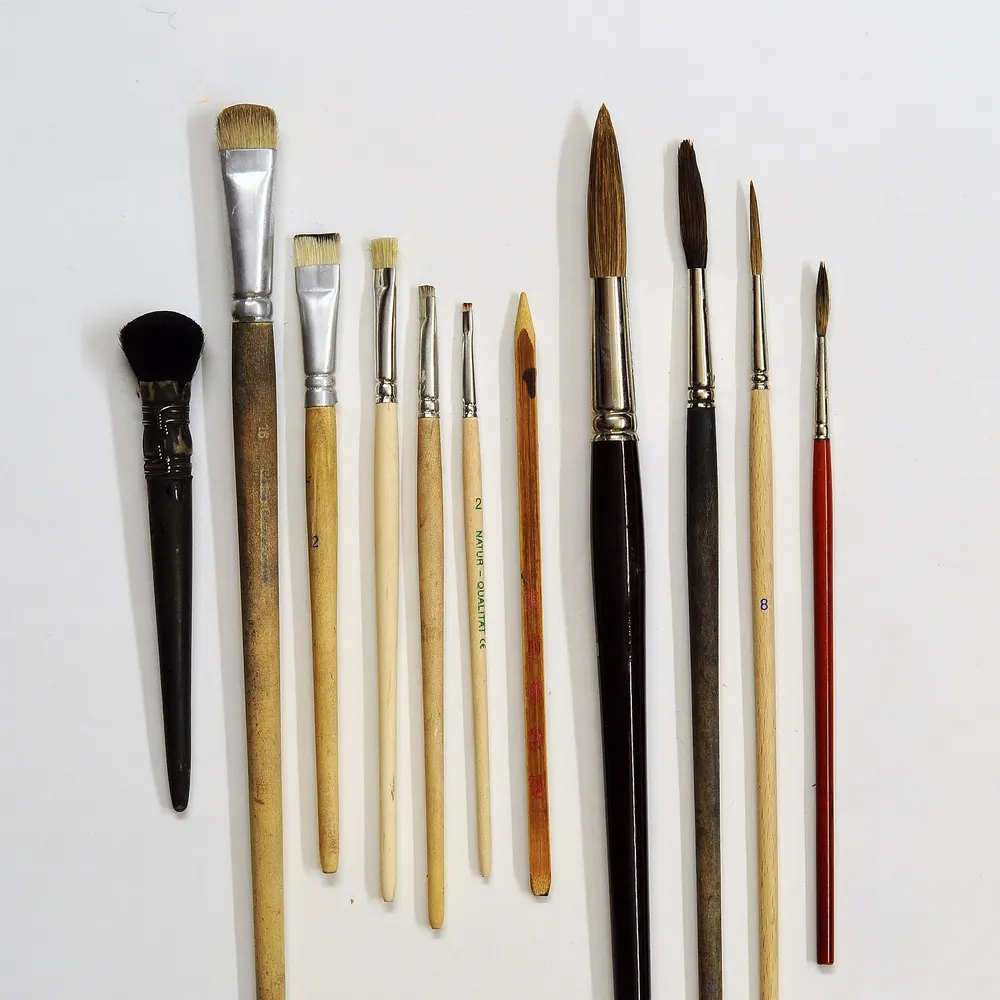
Brush shape, size and feel are personal. Ask for the exact type if a brush is the gift, and check how the maker describes its intended use. A larger number does not guarantee the same working size across ranges. Avoid an elaborate multi-brush kit if the artist normally reaches for one or two trusted shapes. Include care information without pretending that a new brush will change the person's skill level. If the recipient is a beginner, a teacher or the class's materials list can provide a better brief than a collection assembled around the word “artist” on a retail display.
A field kit needs a real carrying test
For someone who paints outside, compactness only helps when the kit can be packed, used and cleaned conveniently. Consider a suitable sketchbook, a modest palette or a pouch that fits the tools already owned. Ask where water, cloths and finished work go. A bag with many pockets may still be awkward if the paper does not fit flat. Avoid adding glass or heavy containers without discussing how they travel. The gift can be one well-chosen part of the system rather than a complete new setup. A small rehearsal at home is more revealing than the product's lifestyle photograph.
Protect the artist's choices
Do not mark a first page, fill a palette or remove labels unless the recipient asked for that. Those actions can make returns difficult and may interfere with how the artist prepares materials. A note explaining why you chose the item is enough personalisation. If you are giving a class, check level, medium, schedule and required supplies, then let the artist choose a date. There is no obligation to turn a relaxing hobby into a course or a business. A gift should make room for the work the person wants to do.
The strongest decision is often simple: a named paper, a specific brush or a small amount toward a material chosen together. Current prices, stock and performance claims vary, so verify the exact item before paying. No product in this guide has been tested by us. A good watercolour gift feels like permission to use materials and experiment, rather than a beautiful box the artist is reluctant to open. It supports the next painting without dictating what that painting ought to be.
Browse watercolour artists gift ideas on Amazon → (Check current reviews, price and returns on the product page.)
Sources and scope
- Winsor and Newton: Watercolour paper: Art-material manufacturer; surface distinctions.