Best Art Stops in Sài Gòn for Looking Slowly
Affiliate disclosure: This page contains affiliate links. If you buy through them we may earn a small commission at no extra cost to you. As an Amazon Associate I earn from qualifying purchases. Read our full disclosure.
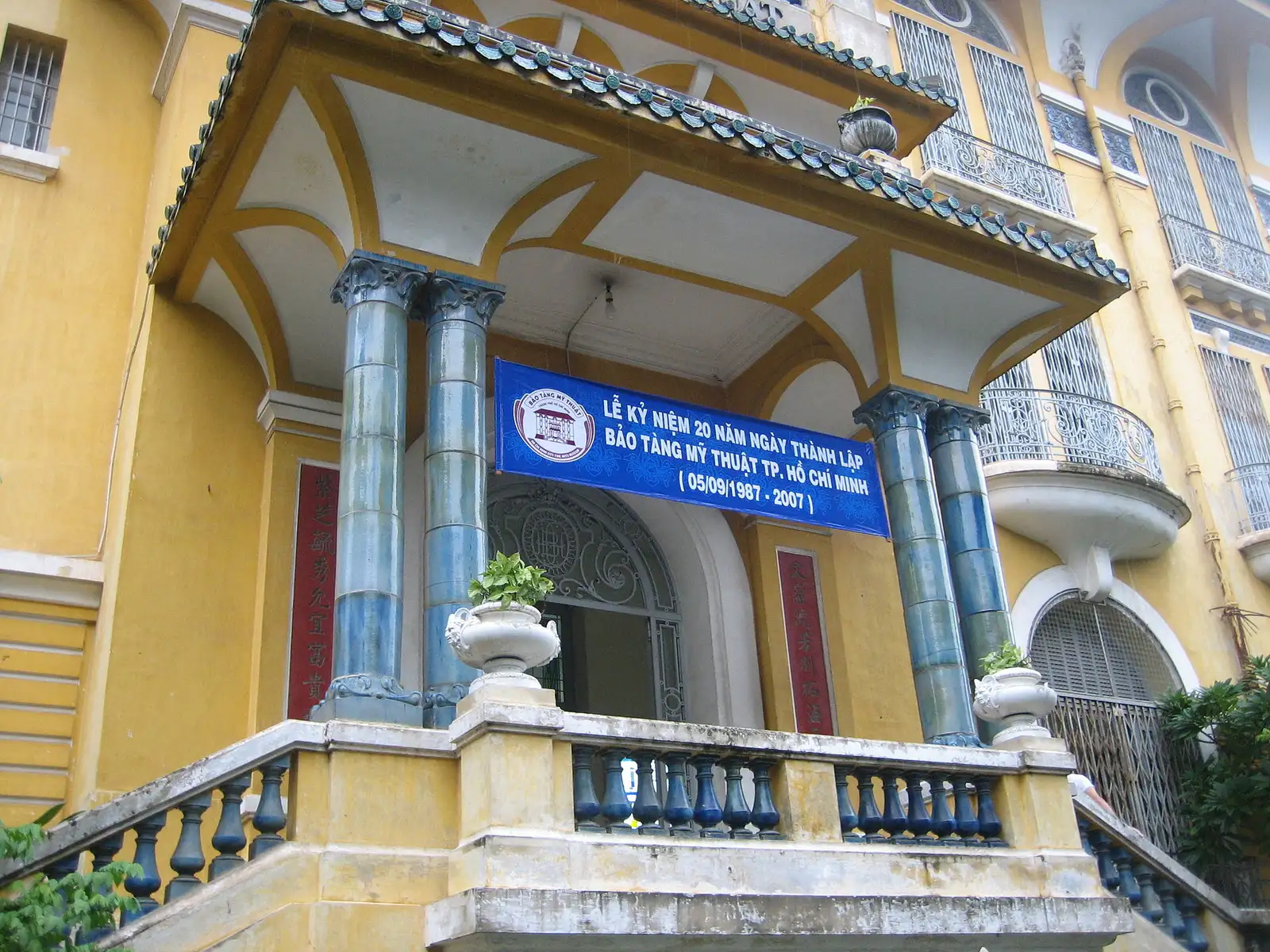
Picture the hush of a high-ceilinged gallery, light falling across a lacquer panel that glows deep red and gold, and the floor creaking as you step back to see the whole painting.
This guide helps you build a slow, unhurried art afternoon around a few stops, instead of chasing every new opening.
What's on the list:
- Fine Arts Museum: the main collection stop
- The museum building: an architectural study of its own
- City museum: for objects, display and visual storytelling
- Đồng Khởi: for a public-street observation exercise
How we picked:
- A researched shortlist built from the official and operator sources linked at the end; it is not a report of a personal visit.
- We do not list prices or opening hours, which change; check with the operator before you go.
- Facts checked against the linked sources on 20 October 2026.
An art afternoon in Sài Gòn does not need to depend on finding the newest opening. A permanent museum collection, an architectural study and a public-space sketch can be a rewarding combination. This guide is for travellers who want to look carefully rather than collect fashionable addresses. The choices are organised by activity, and “best” describes their usefulness for that activity. We have checked published institutional information; we have not inspected the current hang, tested a class or assigned review scores.
Fine Arts Museum: the main collection stop
The Ho Chi Minh City Fine Arts Museum is the clearest anchor for Vietnamese paintings and sculpture. The municipal tourism account describes traditional and modern work across the museum's buildings. Start with an unhurried look at the display information, then select a small number of works that differ in medium or subject. Spend a few minutes with each before reading more. Notice the surface, the artist's choices and the relationship between nearby works. That gives the visit a focus even when temporary galleries differ from photographs you saw online.
The museum building: an architectural study of its own
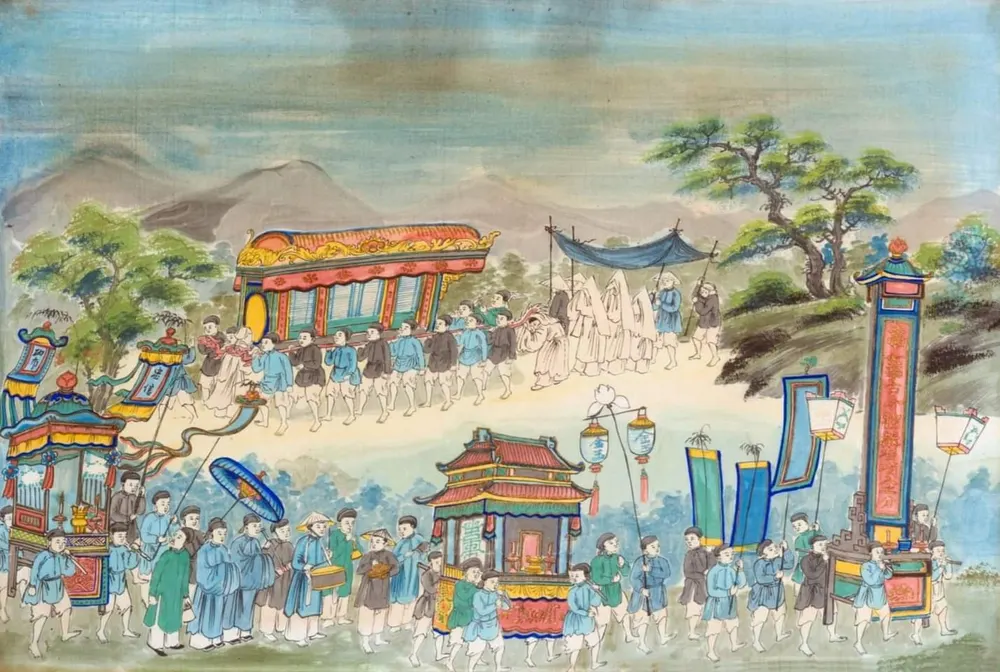
Treat the Fine Arts Museum's architecture as a second, distinct stop within the same visit. Its doors, tiles, windows and staircases offer a way to think about design at a human scale. Choose a detail that repeats and follow how it changes as you move. Make notes from a safe place that does not block visitors. A sketch need not be accomplished to help you observe; drawing the relationship between a doorway and a corridor can reveal more than another wide-angle photograph. Follow the current rules on sketching equipment and photography.
City museum: for objects, display and visual storytelling
The Museum of Ho Chi Minh City is a useful companion when you are curious about how objects create an account of a place. It is a history museum rather than an art-gallery substitute. Approach it through the design of the displays: what is grouped together, what receives a long label, and which objects establish a sense of scale? This is particularly interesting for illustrators, exhibition designers and travellers who keep visual journals. Keep the distinction between admiring an object and understanding its original function in view throughout the visit.
Đồng Khởi: for a public-street observation exercise
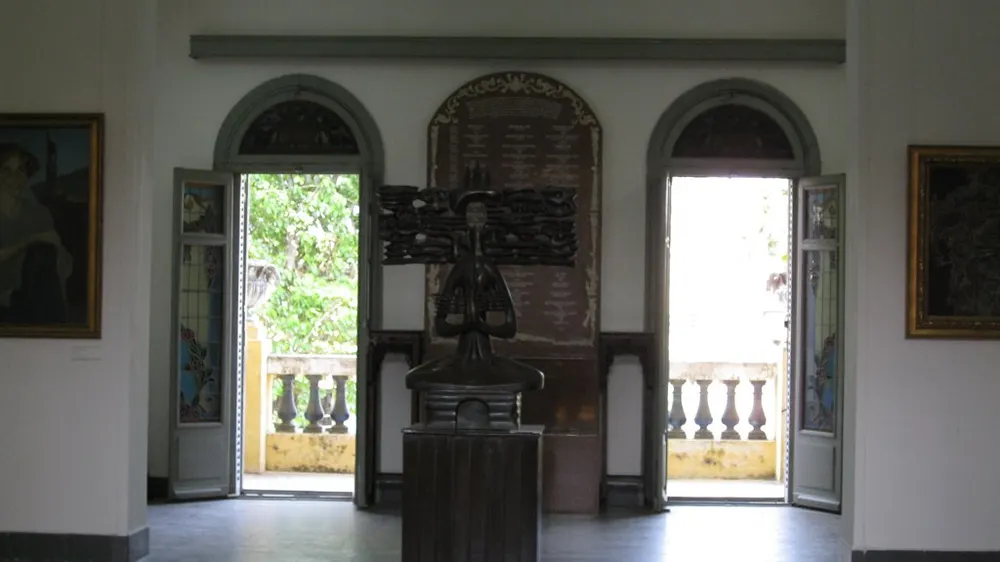
For the final portion, use the central Đồng Khởi area as a walking study. The national tourism authority identifies the Opera House and nearby central landmarks along this urban corridor. Instead of trying to photograph every facade, compare a few building entrances, signs and changes in height. Stand on public pavement and avoid obstructing working doorways. You are observing a living city, where businesses and worshippers have priorities of their own. This stop costs attention rather than another institution ticket and provides a helpful contrast with curated indoor displays.
How to keep the day coherent
Choose a theme before leaving: colour, repeated geometry, portraiture or the ways a room directs movement. Return to it at every stop. A companion who does not usually visit galleries can take photographs of approved architectural details or find a favourite shape. Agree that either person may end a gallery visit when attention runs out. Allow a seated break between the museum and the street portion; looking carefully is more demanding than it appears, especially in warm weather. One museum with thoughtful notes is a full afternoon.
Buying, sharing and following up
If a museum shop or nearby seller offers an artwork or print, ask who made it and whether the edition information is clear. Do not infer that a souvenir is made by an exhibited artist. Keep receipts and avoid rolling a fragile item without advice from its seller. When sharing a photograph of a work, credit the artist and institution where the label permits you to identify them. Save one name to research later. This small habit extends the visit and keeps the art, rather than the travel photograph, at the centre.
Compare tours and activities on Klook → (Check the current terms, inclusions and cancellation policy before booking.)
Sources and scope
- Visit HCMC: Fine Arts Museum: Municipal tourism authority; art collections and building. Page contains inconsistent opening-history dates; dates not repeated.
- Visit HCMC: Museum of Ho Chi Minh City: Municipal tourism authority; site identity, exhibits and location.
- Vietnam Tourism: Ho Chi Minh City: National tourism authority; landmark, market and neighbourhood overview.