Best Local Dishes to Explore in Vũng Tàu: A Small, Thoughtful Food Plan
Affiliate disclosure: This page contains affiliate links. If you buy through them we may earn a small commission at no extra cost to you. As an Amazon Associate I earn from qualifying purchases. Read our full disclosure.
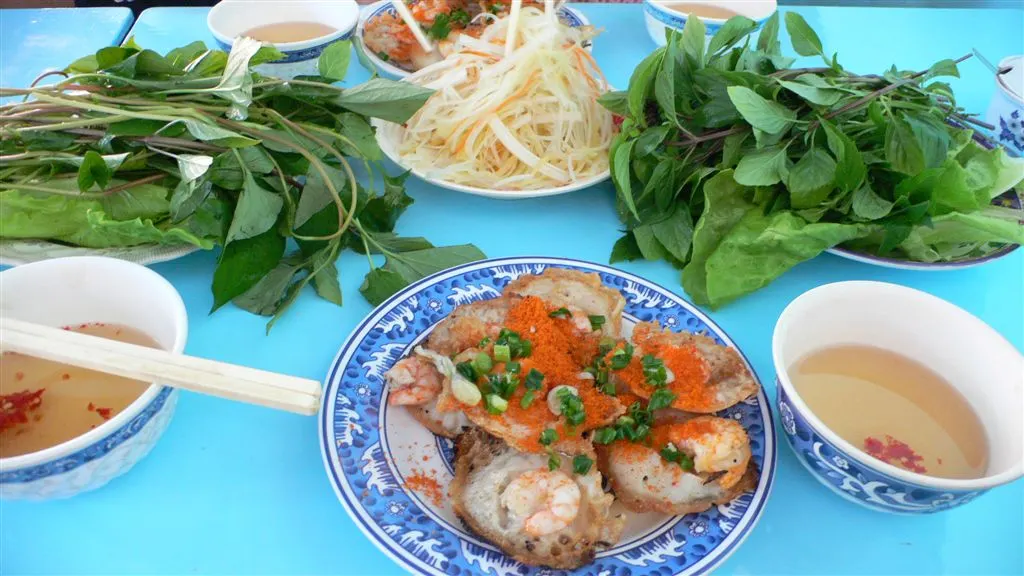
Picture a tray of small bánh khọt sizzling in their moulds, the smell of coconut and shrimp in the air, and the crunch as you wrap one in a fresh lettuce leaf.
This guide helps you plan a few meals around dishes you really want to understand, instead of rushing through a list.
What's on the list:
- Bánh khọt: for a focused first tasting
- Stingray hotpot: for a shared meal with clear questions
- Seafood: for comparing the complete order
- Give each meal one main idea
How we picked:
- A researched shortlist built from the official and operator sources linked at the end; it is not a report of a personal visit.
- We do not list prices or opening hours, which change; check with the operator before you go.
- Facts checked against the linked sources on 20 October 2026.
A coastal food trip is more enjoyable when you choose a few things you want to understand rather than filling every meal with another famous dish. Vũng Tàu's national tourism feature highlights bánh khọt, stingray hotpot and seafood as part of its food identity. Those are the starting points for this guide. We do not name a restaurant winner because current menus, kitchens and service were not inspected. “Best” describes a manageable shortlist of dish experiences, not a tasting score. Choose a current venue with clear information and ask the questions that matter to your group.
Address note: since 1 July 2025 the former Bà Rịa–Vũng Tàu province has been part of Hồ Chí Minh City, so newer maps and booking pages may list Vũng Tàu addresses under Hồ Chí Minh City. (source: National Assembly Resolution 202/2025/QH15)
Bánh khọt: for a focused first tasting
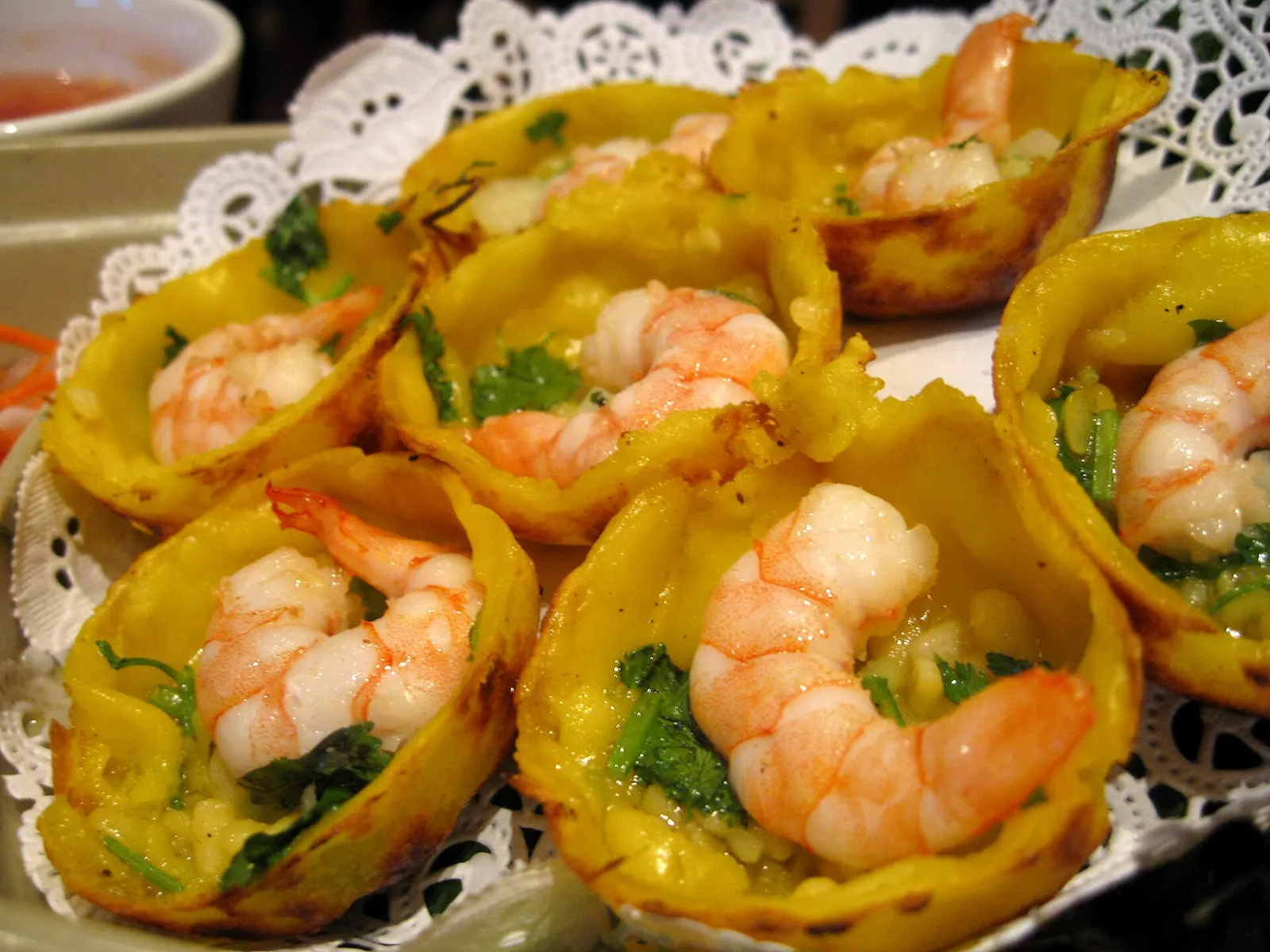
Bánh khọt, small savoury pancakes associated with the city, is a useful first food objective because it gives the meal a defined subject. Ask what the current portion includes, what the topping is and which accompaniments arrive with it. If there are sauces or leaves you do not recognise, ask how the restaurant suggests eating them. Let each diner assemble a first bite in a comfortable way rather than insisting on one performance of authenticity. Start with a manageable quantity. You can order more if the table wants it, while a large opening order leaves less room to notice the dish.
Stingray hotpot: for a shared meal with clear questions
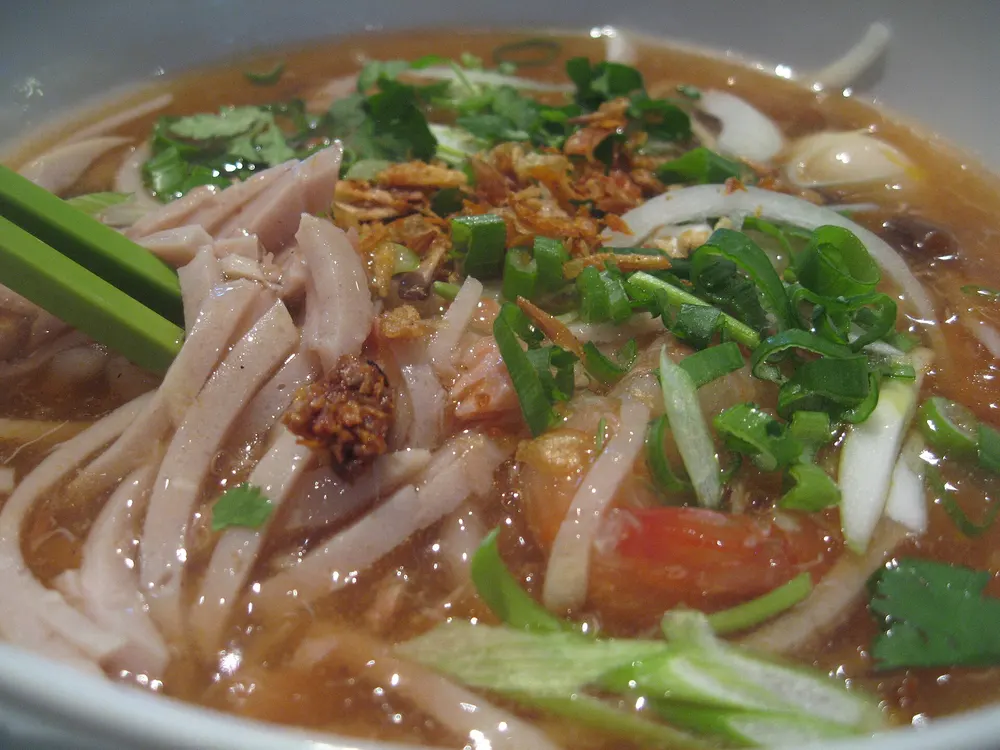
Lẩu cá đuối, stingray hotpot, is another speciality named by the national source. It works as a group decision because the pot and its additions may serve several people. Ask about portion size, what is included and how the staff recommend handling the ingredients. Tell the restaurant about allergies and preferences before ordering. Do not assume every diner wants the same level of heat or the same ingredients. A shared meal is most enjoyable when everyone understands what is coming and can choose what to eat without pressure from the rest of the table.
Seafood: for comparing the complete order
Seafood is a broad category, so the useful skill is understanding the order rather than chasing a supposedly secret venue. Establish whether the price is per portion, weight or item, which preparation is included and whether there are extra charges. If the restaurant shows ingredients before cooking, confirm the selection and total clearly. A busy display is not an independent guarantee of handling quality. Choose a venue that can answer straightforward questions, and leave if essential information remains unclear. There is no need to order something unfamiliar merely because a coastal holiday seems to demand it.
Give each meal one main idea
Put bánh khọt into one meal, make a shared hotpot a separate occasion and leave another meal open for the seafood choice that suits the group. This is an editorial pacing suggestion, not a fixed culinary rule. A smaller plan reduces waste and makes the differences easier to remember. If some diners do not eat seafood, investigate the current alternatives before choosing the venue. Do not expect the kitchen to improvise an appropriate meal after everyone is seated. One person's enthusiasm for a local speciality should not determine every meal of a shared trip.
Read the practical details before judging value
Ask about portions, ingredients, payment methods and the full bill. Compare like with like rather than repeating a price from an old review. For allergies or serious dietary restrictions, the restaurant must explain what it can and cannot accommodate; this guide cannot assess an individual kitchen. Keep hand hygiene and food-handling considerations in mind without turning appearance into a safety certificate. If you are uncertain about a preparation or the freshness claim being made, choose another dish or venue. A thoughtful food outing has room for a polite refusal.
Take home a useful memory
Write down the Vietnamese dish name, what your portion included and what you would change next time. If you photograph a menu for your own notes, remember that prices and dishes can change. Do not present that image later as a universal current rate. The national source supports the local dish shortlist, while the ordering advice is our editorial contribution. No chef endorsement, first-hand tasting note or review count is fabricated. The best food plan leaves you satisfied, curious and able to describe what you ate more precisely than simply calling it the city's best meal.
Compare tours and activities on Klook → (Check the current terms, inclusions and cancellation policy before booking.)
Sources and scope
- Vietnam Tourism: Sensing Vung Tau: National tourism authority; coastal places, museums and cultural landmarks.