Best Photography Themes in Sài Gòn for a More Personal Travel Album
Affiliate disclosure: This page contains affiliate links. If you buy through them we may earn a small commission at no extra cost to you. As an Amazon Associate I earn from qualifying purchases. Read our full disclosure.
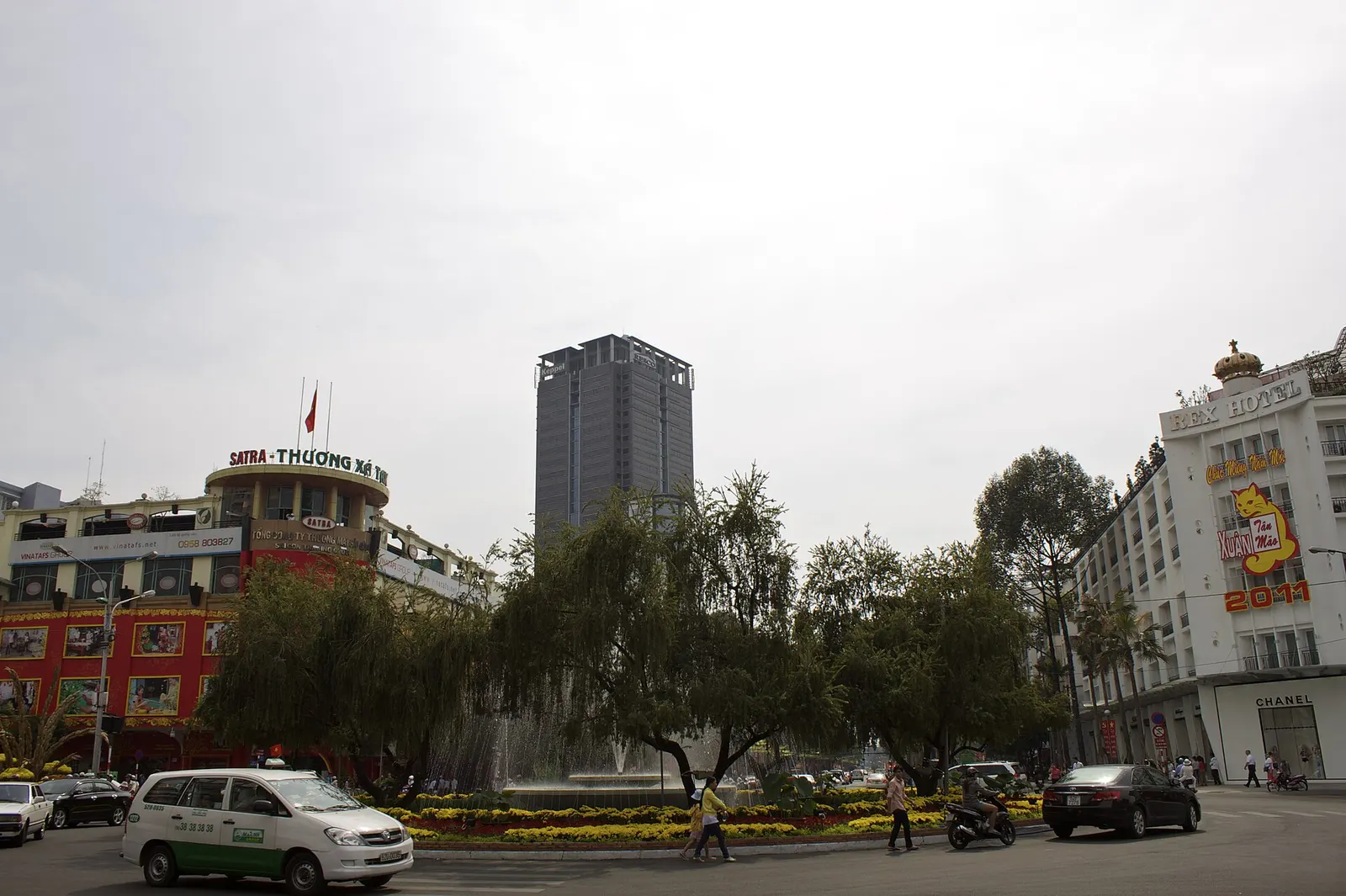
Picture a hand-painted shop sign, a half-open blue door, the click of your shutter and the buzz of the street just behind you as you frame the shot.
This guide helps you choose one photo theme, so your album tells a personal story instead of repeating everyone else's pictures.
What's on the list:
- Thresholds: for noticing the boundary between street and interior
- Signs and type: for a city told through lettering
- Scale: for comparing the monumental with the everyday
- Objects: for making museum photographs informative
How we picked:
- A researched shortlist built from the official and operator sources linked at the end; it is not a report of a personal visit.
- We do not list prices or opening hours, which change; check with the operator before you go.
- Facts checked against the linked sources on 20 October 2026.
A personal travel album comes from noticing a pattern, not standing in exactly the same place as everyone else. Sài Gòn offers enough visual variety for a short project built around doors, signs, scale or objects. This guide suggests themes and established areas where they can be explored; it does not promise particular light, empty streets or photographic access. The location references come from tourism institutions and a market overview. The creative prompts are editorial ideas. Use public space considerately and follow the rules of every museum, shop and place of worship.
Thresholds: for noticing the boundary between street and interior
Central landmarks around Đồng Khởi provide a starting point for studying entrances. Frame the relationship between the door, the pavement and the space behind it rather than only the facade. You can make a coherent series without entering every building. Look for changes in scale, shade and the way people are guided toward an opening. Avoid photographing someone at close range merely because they happen to be in your composition. Waiting, asking or choosing an empty frame often produces a more deliberate image while respecting the person who uses the place every day.
Signs and type: for a city told through lettering
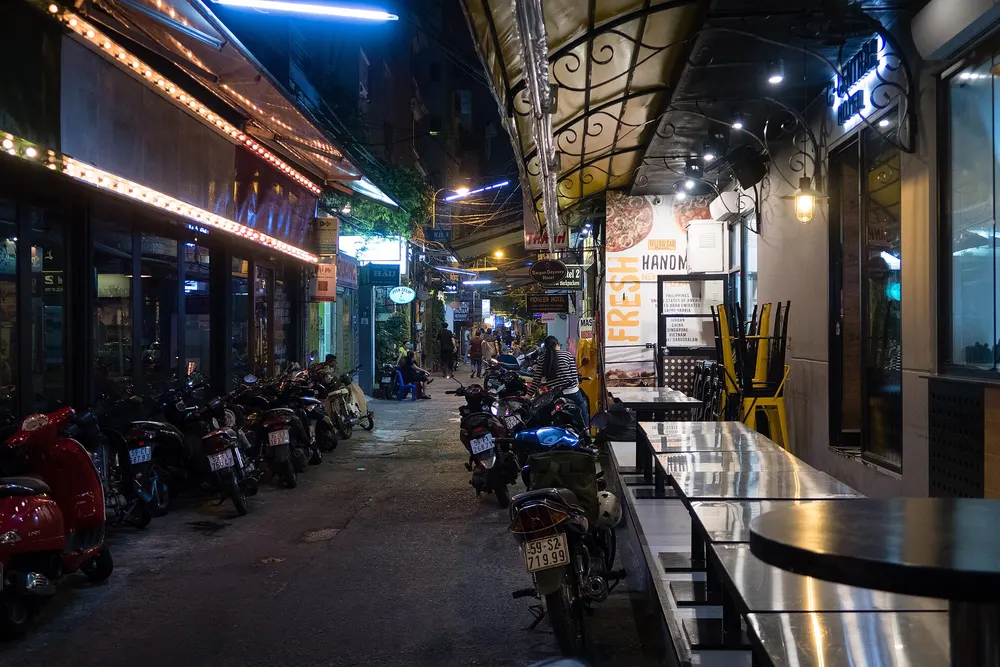
Markets and central commercial streets can support a study of signs, but choose the subject carefully. A trader's working display is not a free studio. Keep circulation clear, ask before making close-up images inside stalls and accept a refusal without negotiation. Photograph enough context to understand the sign's role rather than collecting isolated decoration. Later, record the name correctly and look up unfamiliar words. This theme works well with a phone because the project is about selection and relationships, not expensive equipment. Avoid including private paperwork, payment information or other details that do not belong in a public album.
Scale: for comparing the monumental with the everyday
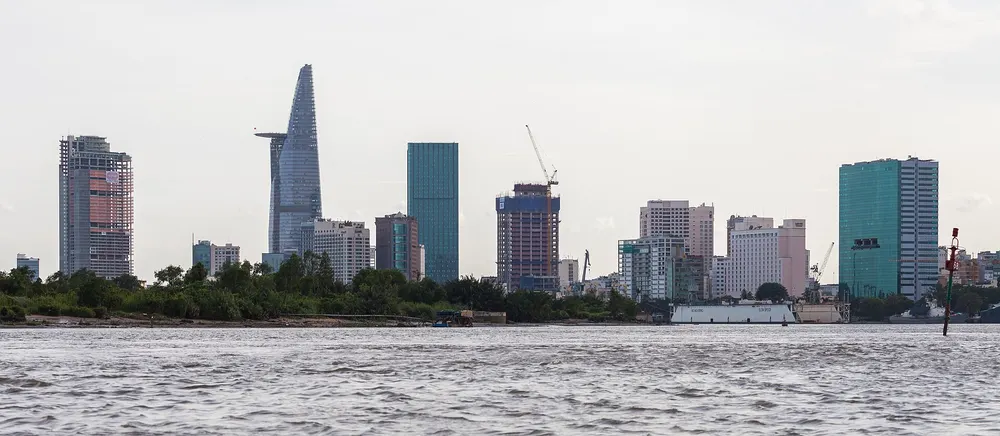
The Opera House area, palace surroundings and ordinary streets can help you compare large formal buildings with human-scale details. Choose a viewpoint from a safe public location and notice how a person, tree or doorway helps the viewer understand size. Do not step into traffic to improve the angle. A useful series might include a whole building, a section of its facade and one close detail. Those three images tell more than repeating the same wide view. Access and security arrangements can change, so follow current directions rather than an old photography guide.
Objects: for making museum photographs informative
The Fine Arts Museum and city museum offer opportunities to think about objects and their context, where photography is permitted. Begin with the label, because an unidentified object is difficult to discuss accurately later. Keep a separate note of the maker, title or function rather than assuming the file name will remind you. Avoid flash or equipment that the institution prohibits. If the object cannot be photographed, write or sketch a response instead. This can improve the album by adding a sentence about what mattered, not merely an image proving that you were there.
Build a six-image edit rather than an enormous gallery
Choose one theme and aim to keep six images from the outing. A small edit encourages variety: an establishing view, a relationship between elements and a revealing detail, followed by alternatives that add something new. Review the images after a break rather than while crossing streets. Remove near-duplicates and photographs that depend on a stranger being caught in an uncomfortable moment. A personal album does not need to resemble a commercial portfolio. It should be understandable to someone who was not standing beside you when the image was made.
Share with context and clear limits
Caption the place and your observation without inventing a story about the people in the frame. Credit an artist when sharing a permitted photograph of an artwork and check any restrictions on reproduction. If you plan to sell images, research the relevant permission and release requirements separately; a visitor photograph is not automatically a cleared stock asset. This guide makes no claim of commercial clearance. The best theme gives you a reason to look more carefully and a finished selection that says something specific about your encounter with the city.
Compare tours and activities on Klook → (Check the current terms, inclusions and cancellation policy before booking.)
Sources and scope
- Vietnam Tourism: Ho Chi Minh City: National tourism authority; landmark, market and neighbourhood overview.
- Visit HCMC: Museum of Ho Chi Minh City: Municipal tourism authority; site identity, exhibits and location.
- Visit HCMC: Fine Arts Museum: Municipal tourism authority; art collections and building. Page contains inconsistent opening-history dates; dates not repeated.
- Vietnam Airlines: Saigon markets: Airline travel guide; market types and names, not independently inspected stock.