Best Vietnamese Coffee Stops in Sài Gòn for Curious Drinkers
Affiliate disclosure: This page contains affiliate links. If you buy through them we may earn a small commission at no extra cost to you. As an Amazon Associate I earn from qualifying purchases. Read our full disclosure.
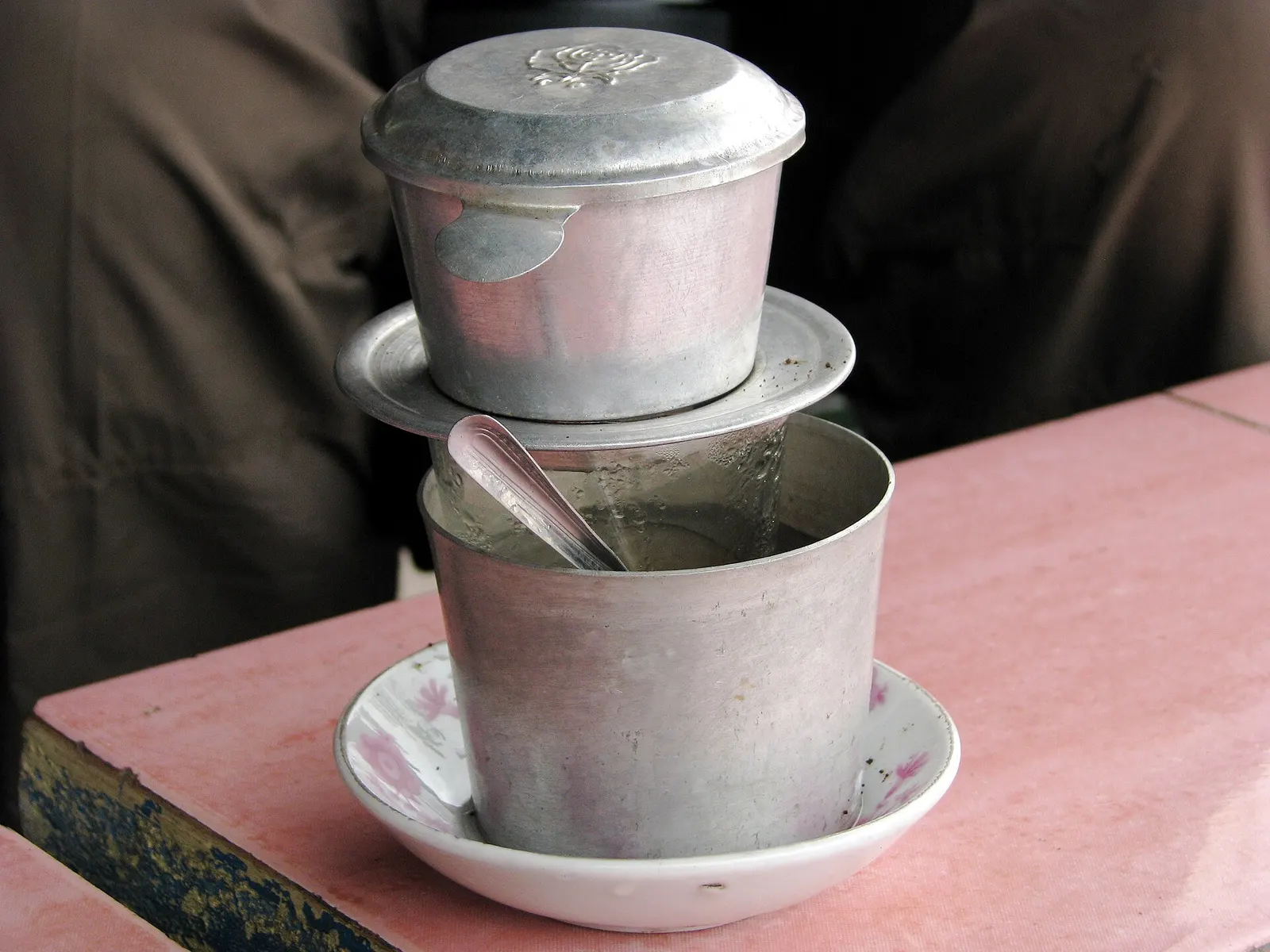
Picture a glass of iced coffee sweating in the heat, the clink of ice as you stir, and that first bitter-sweet sip while the street hums past outside.
This shortlist helps you find a stop that explains what is in your cup, and a bag of beans you will really brew at home.
What's on the list:
- 96B: start with the beans
- Lacàph: choose between a bar stop and a longer experience
- La Việt: explore a Vietnamese coffee brand
- Make a fair comparison
How we picked:
- A researched shortlist built from the official and operator sources linked at the end; it is not a report of a personal visit.
- We do not list prices or opening hours, which change; check with the operator before you go.
- Facts checked against the linked sources on 20 October 2026.
The most useful coffee stop is the one that helps you understand what is in your cup. For some travellers that means a conversation about beans; for others it means a short break near the centre or a bag they can brew after the trip. This shortlist brings together 96B, Lacàph and La Việt as three Vietnamese-coffee names to investigate in Sài Gòn. It does not pretend we have tasted the current menu. The recommendations are based on each operator's published identity and on the questions a curious visitor can ask.
96B: start with the beans
96B describes itself as a Saigon-based roaster and education centre focusing on Vietnamese-grown coffee, including several coffee species. It is a sensible choice when the conversation matters as much as the photograph. Ask what is on the brew menu today and how the coffees differ in origin, processing or roast approach. Instead of arriving with a fixed idea that one species must be superior, choose a cup that allows you to compare a familiar style with something less familiar. Staff may be busy, so save detailed questions for a quiet moment or a booked workshop.
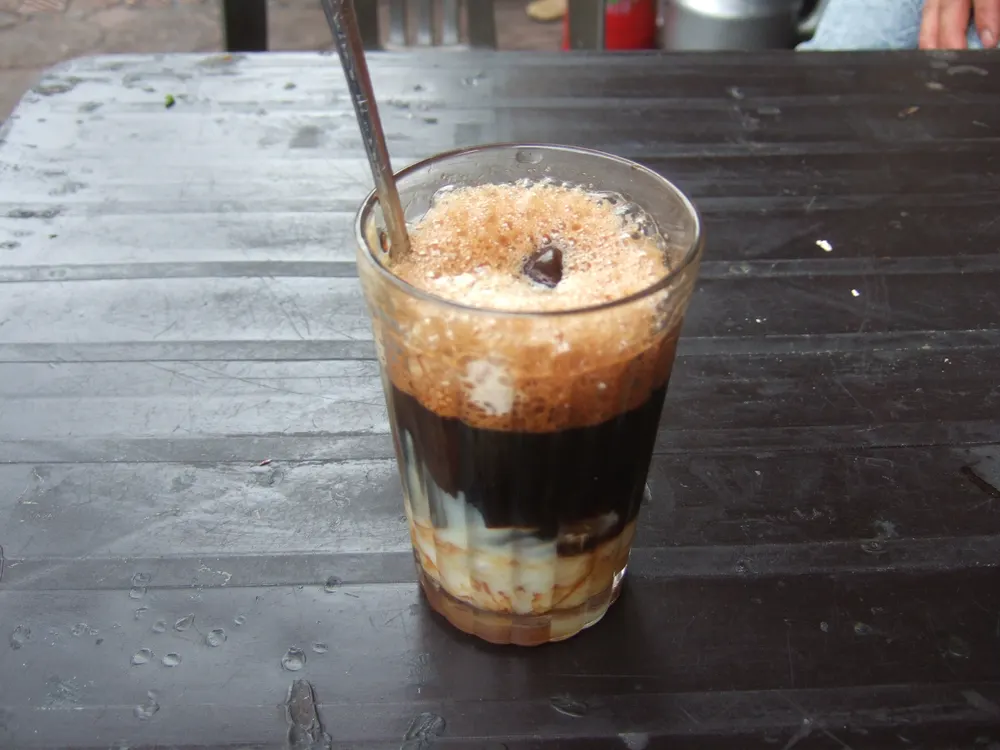
Lacàph: choose between a bar stop and a longer experience
Lacàph's published locations distinguish a Đồng Khởi coffee bar from its coffee-experience space. That gives visitors a practical choice: a focused drink during a central walk, or a longer activity built around coffee. Confirm the current entrance instructions because the location page and footer are not completely consistent in the way one address is written. At a small coffee bar, be considerate about occupying a seat for a long working session. The right stop for a conversation over a cup may be a poor fit for hours of laptop use.
La Việt: explore a Vietnamese coffee brand
La Việt's official site is a useful starting point for its coffee and current locations. Choose it as a comparison with the other names rather than assuming every branch offers the same menu or atmosphere. Confirm the specific Hồ Chí Minh City branch before building a route. If you are buying beans, describe your actual home method: a phin, espresso machine and filter brewer do not ask the same thing of a bag of coffee. A recognisable brand name is less important than getting the grind, freshness and quantity right for your use.
Make a fair comparison
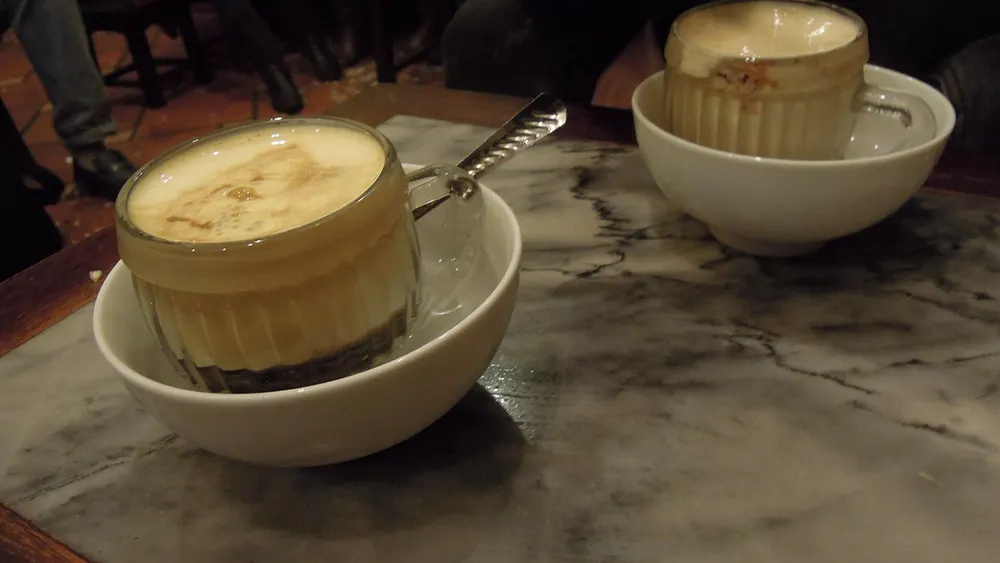
If comparing two stops, keep one variable steady. You might order a black coffee at each, or ask for the same broad brewing style where available. Milk, sugar, temperature and cup size can otherwise dominate the difference. This is an observation exercise rather than a blind taste test. Record what you ordered and whether additions were included. Use your own words for the result and be willing to enjoy something that does not resemble your usual drink. You do not need the vocabulary of a professional taster to know which cup you would choose again.
Buying coffee that travels well
Before paying for a take-home bag, check the roast date where shown, the sealed packaging and the preparation advice. Buy a quantity you can use while it still interests you, not a large collection because the labels look different. If the gift recipient lacks a grinder, ask for an appropriate grind and discuss when they plan to open it. Keep the bag away from heat during the rest of the day's sightseeing. For international travel, check the rules at your destination rather than assuming a food product is automatically unrestricted.
A relaxed half-day coffee plan
Choose one coffee stop as your anchor and one optional comparison nearby after another activity. Avoid treating the city as a race between caffeine doses. A simple note with the name, bean information and preparation method makes a better memory than a long list of cafes you barely noticed. Current prices, seating and opening times are intentionally absent from this guide because they change and were not independently verified. Use the official pages to check the branch, then decide whether you want a quick cup, a discussion or a lesson.
Compare tours and activities on Klook → (Check the current terms, inclusions and cancellation policy before booking.)
Sources and scope
- 96B cafe and roastery: Operator; Vietnamese-grown coffee and roastery focus.
- Lacaph locations: Operator; coffee bar and experience-space identity. Address differs between page body and footer; exact entrance must be confirmed.
- La Viet Coffee: Operator; coffee brand identity, current branch should be checked before visiting.