Gifts for Ceramics Lovers: Ask Whether It Is for Display or Daily Use
Affiliate disclosure: This page contains affiliate links. If you buy through them we may earn a small commission at no extra cost to you. As an Amazon Associate I earn from qualifying purchases. Read our full disclosure.
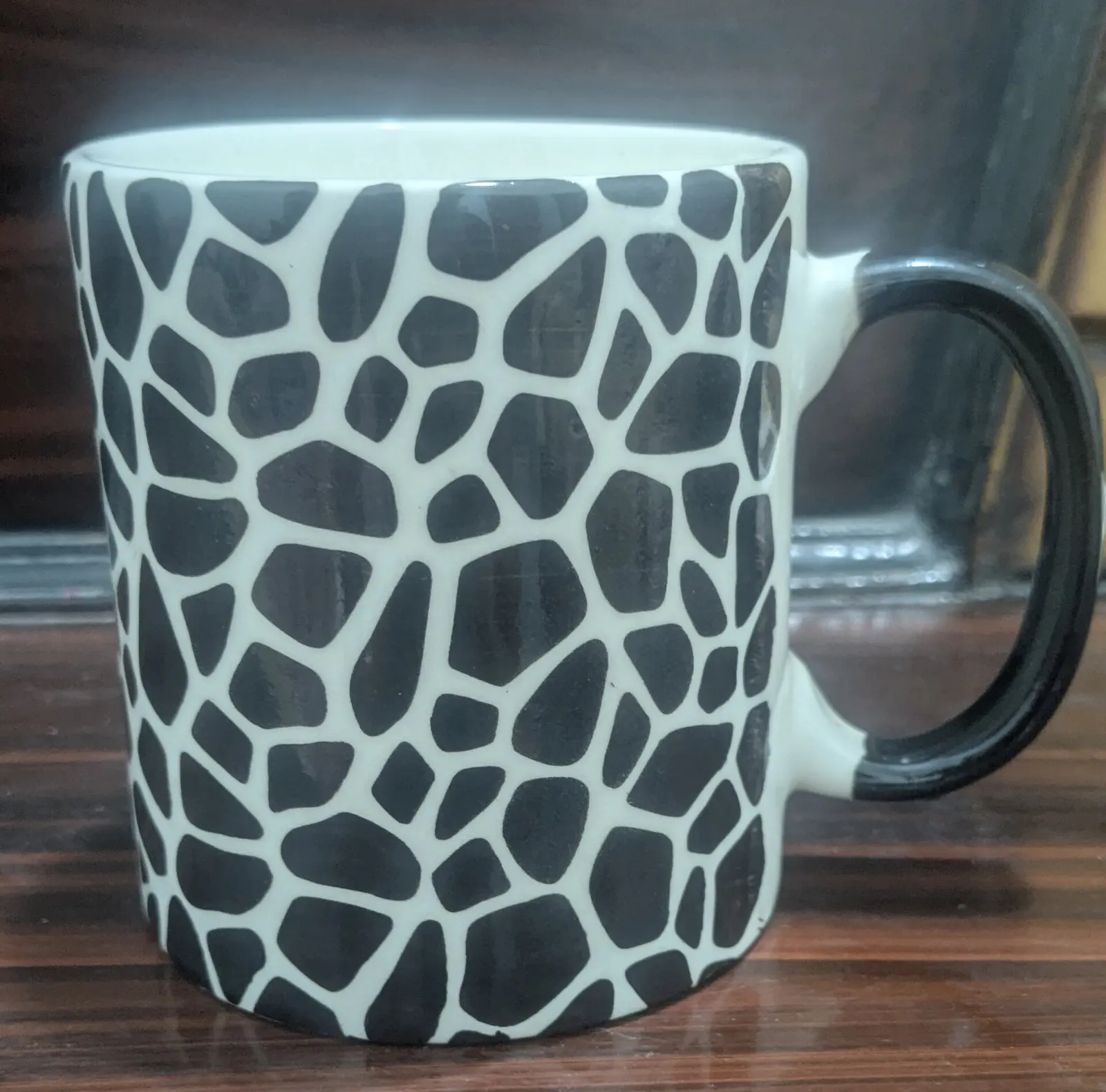
Picture the cool weight of a handmade cup, the smooth glaze under the thumb, and warm tea poured into it on a slow morning.
This guide helps you decide whether the piece is for display or daily use, so it finds the right place in their home.
What's on the list:
- A cup: the intimate everyday option
- A serving piece: choose the role and dimensions
- A handmade object: let the maker's information travel with it
- A class or studio visit: for someone who wants the process
How we picked:
- We compared buying needs, product categories and fit questions; we have not tested these items in person.
- We do not list prices or ratings, which change; check the retailer page before buying.
- Facts checked against the linked sources on 20 October 2026.
A ceramics gift can be a daily companion or a piece chosen simply to look at. Those are both valid purposes, but they ask different questions of the maker and buyer. Start by asking what the recipient collects or uses and where a new object would go. This guide offers a selection framework rather than a tested ranking of makers. Le Creuset's material-specific care information is included as an example of why exact use instructions matter. Its claims cannot be applied to another ceramic object merely because the surface looks similar.
A cup: the intimate everyday option
A cup is held, lifted and cleaned repeatedly, so small details matter. Consider capacity, weight, rim and handle comfort as well as colour. Ask whether the recipient drinks a small coffee, a large tea or something else. A cup that looks striking on a shelf may not suit the actual drink or cupboard. If the maker provides a sample to handle, use that opportunity. Read the care information and check whether the cup is intended for food use. Keep the receipt and avoid assuming that handmade, expensive or heavy automatically means more comfortable or more durable.
A serving piece: choose the role and dimensions
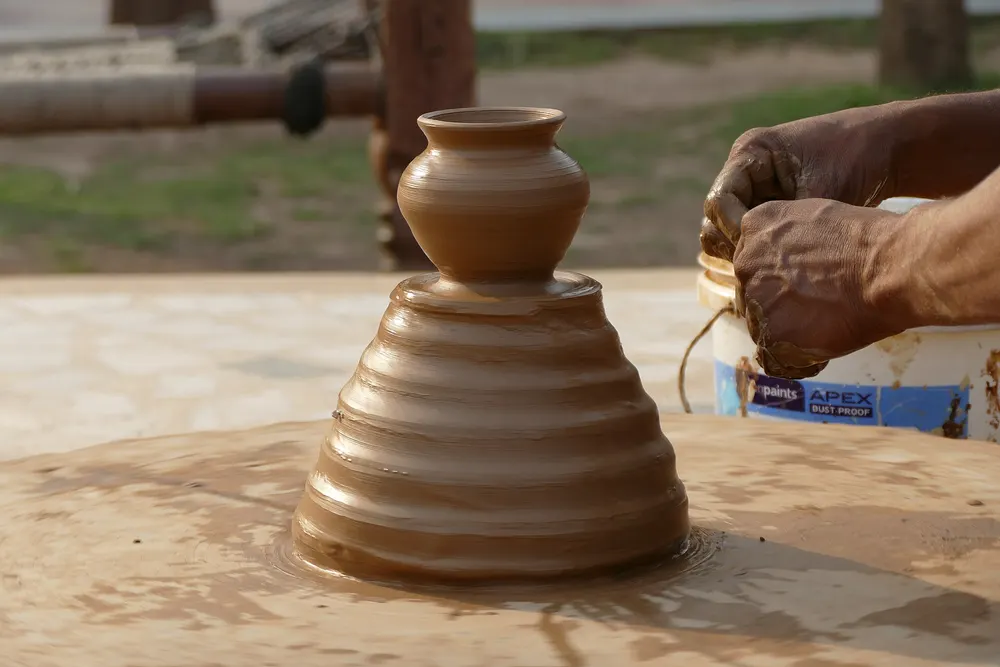
A bowl, platter or dish is useful when it fits the way the person hosts or eats. Measure storage and the table space available. Think about the number of people usually served, not the largest gathering you can imagine. A large piece can become a storage problem in a small home. Distinguish serving use from oven or other heat use, and verify the exact maker's instructions. Do not infer appliance suitability from the word “stoneware” or from another brand's product page. A serving-only object can be an excellent gift when it is described honestly and chosen for a clear purpose.
A handmade object: let the maker's information travel with it
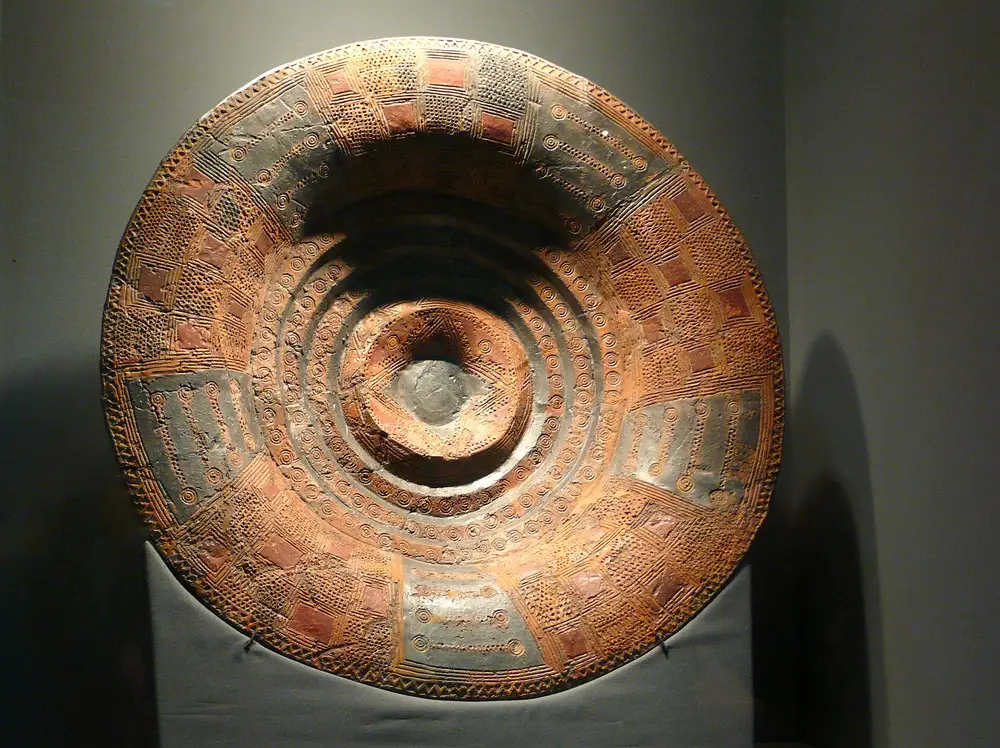
If the recipient enjoys ceramics as craft, ask what kind of work they follow. A small piece by a maker they admire may be more meaningful than a large generic item. Include the maker's name, the material information provided and any care note. Avoid inventing a story about the process or origin to make the gift sound more special. If the seller cannot substantiate a claim, do not repeat it as fact. A clear, modest account respects both the maker and the recipient. Differences between handmade pieces can be part of their appeal, but damage should not be confused with intentional variation.
A class or studio visit: for someone who wants the process
An experience can be a thoughtful alternative to another object, but ask whether the recipient wants to make ceramics or simply enjoys collecting it. Check the class level, duration, materials, firing arrangements and how finished work is collected. A workshop may not produce an object to take home the same day. Clarify what happens if a piece cracks or a pickup date changes. Let the recipient choose a suitable session. The gift is the experience of learning, not a promise of a perfect finished bowl that must justify the cost of the class.
Wrapping should protect without creating uncertainty
Ask the seller about packing for the actual journey, especially if the gift will travel in luggage or by post. Keep labels and care information with the object. Do not conceal a chip or a functional limitation beneath elaborate wrapping. If the recipient may want to exchange it, leave the protective packaging intact and make that option clear. For a collectible, ask before adding an inscription or other permanent personalisation. The object may already have meaning through its maker and form; it does not need to be altered to prove the gift is personal.
No current price, durability test or universal food-safety claim is supplied here. The useful decision is the intended purpose: a cup to reach for each morning, a dish that fits a particular meal or an object appreciated for its form. The best ceramics gift feels at home with the recipient's habits and space. It can be modest in size and still carry a strong connection to a maker or a moment, with the information needed to enjoy it without guessing how it should be used.
Browse ceramics lovers gift ideas on Amazon → (Check current reviews, price and returns on the product page.)
Sources and scope
- Le Creuset: care and use: Manufacturer; material-specific care illustrating why exact-use instructions matter.