Gifts for Commuters: Solve One Part of the Daily Journey
Affiliate disclosure: This page contains affiliate links. If you buy through them we may earn a small commission at no extra cost to you. As an Amazon Associate I earn from qualifying purchases. Read our full disclosure.
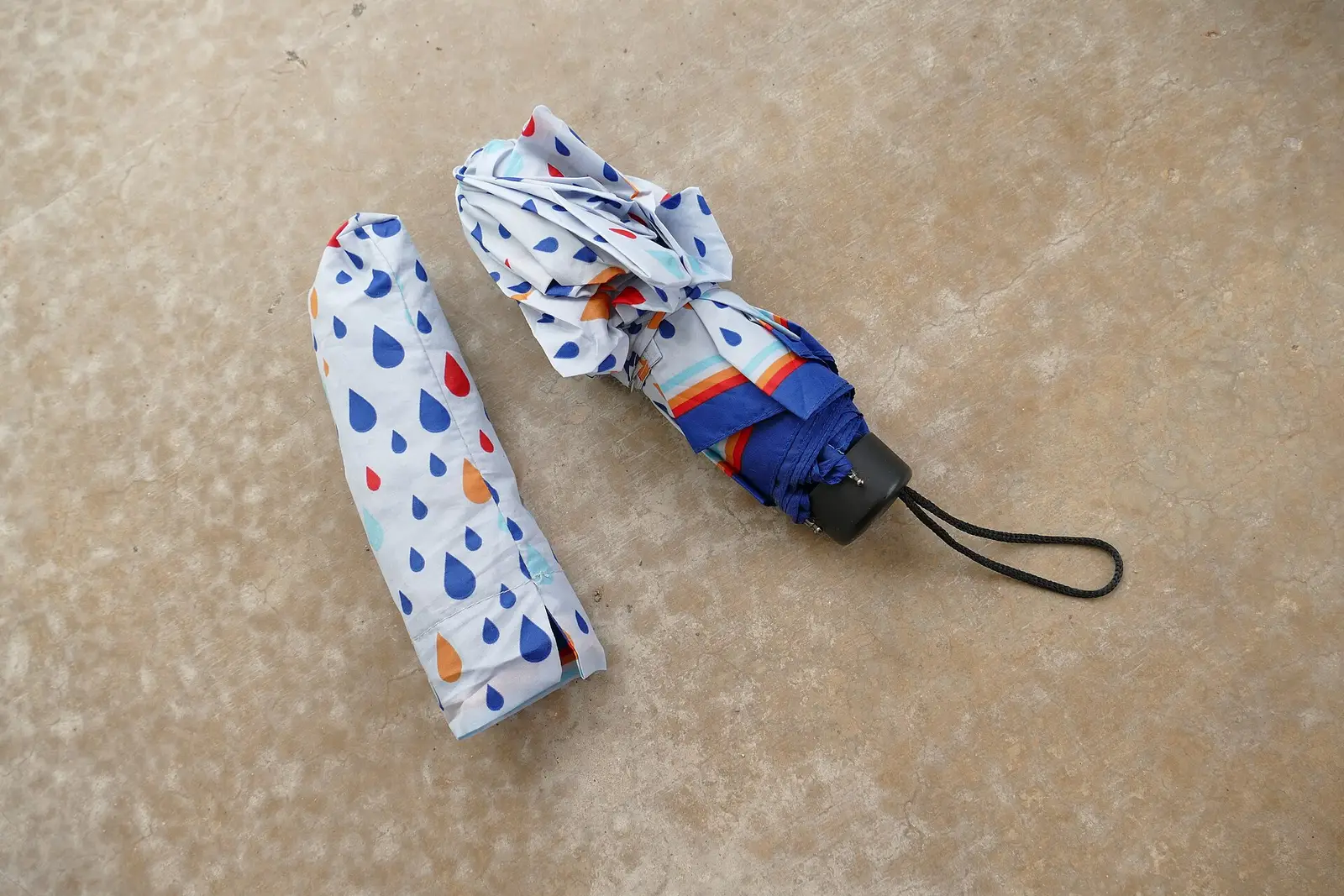
Picture a morning platform or busy street: keys and card easy to find, a warm drink sealed tight in a bag, and one small thing about the journey that no longer annoys.
This guide helps you solve one part of their daily journey with a gift that gets used every day.
What's on the list:
- Start with the part they complain about
- A tumbler needs a closure and a cleaning plan
- A pouch is useful when it simplifies access
- Comfort should match the mode of travel
How we picked:
- We compared buying needs, product categories and fit questions; we have not tested these items in person.
- We do not list prices or ratings, which change; check the retailer page before buying.
- Facts checked against the linked sources on 20 October 2026.
Commuting gifts work best when they solve one repeated annoyance. Someone travelling by train has a different set of needs from a person walking, cycling or sitting in a car, and many journeys combine several modes. Ask what the recipient carries, where their hands are occupied and what they wish were easier. This guide offers shopping briefs rather than tested product rankings. KINTO's care information is an example of why maintenance belongs in a buying decision. No particular vessel is claimed to fit every bag or journey, and current prices are not invented.
Start with the part they complain about
A useful brief sounds concrete: the keys disappear in a large bag, a drink is awkward to carry, or a notebook gets bent. Avoid a broad attempt to “upgrade the commute.” The person may already have a carefully balanced system and limited space. Ask which part they would change if they could. Then choose one gift that addresses it. A small object with a clear role is often more welcome than a large organiser that requires repacking everything. Consider the journey home as well as the journey out, when bags may contain shopping or an extra layer.

A tumbler needs a closure and a cleaning plan
A drink vessel is a common gift, but capacity, opening, seal and cleaning matter more than colour alone. Measure a cup holder or bag pocket if it must fit one. Read the exact maker's description of the closure; do not assume every lid is intended for loose storage in a bag. Ask whether the recipient is happy to hand-wash parts or needs something suited to their existing cleaning routine. Manufacturer guidance can distinguish between products and components. A vessel that takes too long to clean may remain unused even if it looks perfect in a morning photograph.
A pouch is useful when it simplifies access
A small pouch can gather keys, cards, cables or other items, but choose the category with the recipient. Putting everything into one case can make access worse if the case is difficult to open while standing. Check the size, closure and visibility of contents. Avoid adding a tracking device or anything that requires an account without explicit interest from the recipient. A simple, well-fitting pouch may solve the problem with less setup. Keep personalisation modest until they have tested it in the actual bag. A gift should not make an ordinary journey depend on a new system they did not ask for.
Comfort should match the mode of travel
For a walking commute, a compact item may be preferable to anything that adds weight. For a seated journey, a book or small activity can be enjoyable if the recipient wants it. Do not buy safety-critical cycling equipment from a guess about fit or standards; involve the person in that choice. Likewise, avoid electrical accessories unless device compatibility and local use are clear. A commuter already makes many small decisions each day. The present should reduce one of them, not introduce a set of adapters, chargers and maintenance instructions that competes for attention.
Try the gift as a short everyday rehearsal
Before removing return packaging, let the recipient place the item in the actual bag or use it at home. Can they reach what they need? Does it add awkward bulk? Can the vessel be cleaned with the tools they already have? A brief rehearsal reveals more than a lifestyle image. If the fit is wrong, make an exchange easy and unembarrassing. Tell them that usefulness matters more than preserving your first choice. Keep the receipt and avoid interpreting a preference for something else as a rejection of the gesture.
The best commuter gift is often quiet: the right container, a useful pouch or a small comfort for the journey. It does not need to turn travel time into productivity time. If the recipient would rather listen, look out of the window or do nothing, support that preference. A personal note can explain the small problem you hoped to solve and invite them to choose an alternative if needed. That makes the gift feel considered and leaves the person in control of the routine they know best.
Browse commuters gift ideas on Amazon → (Check current reviews, price and returns on the product page.)
Sources and scope
- KINTO: tumbler care: Manufacturer; product care as a buying consideration, specific instructions vary.