Gifts for Language Learners: Support the Way They Practise
Affiliate disclosure: This page contains affiliate links. If you buy through them we may earn a small commission at no extra cost to you. As an Amazon Associate I earn from qualifying purchases. Read our full disclosure.
Picture a learner sounding out a new phrase, the flip of a flashcard, and the small thrill when a whole sentence finally makes sense.
This guide helps you support the way they already practise, at the level they are at now.
What's on the list:
- A book at the level they can use now
- Flashcards work best when the learner owns the system
- A tutoring session should be chosen with the learner
- A notebook can support one clear task
How we picked:
- We compared buying needs, product categories and fit questions; we have not tested these items in person.
- We do not list prices or ratings, which change; check the retailer page before buying.
- Facts checked against the linked sources on 20 October 2026.
A language-learning gift should fit the learner's current goal, not the language you wish they would study. They may want to speak with relatives, read a novel, travel more comfortably or prepare for a class. Ask what they are working on now and what kind of practice they enjoy. This guide offers buying directions rather than promises of fluency. Anki's official documentation provides one example of a flashcard workflow, while notebook resources illustrate paper options. We do not claim that one method suits every learner or that a particular gift produces a measurable result.
A book at the level they can use now
A reader, workbook or phrase resource can be useful when the target language and level are clear. Ask which course or teacher the learner follows, and check whether the book complements it. A beautiful advanced edition may be discouraging if it is too difficult to read, while an elementary guide can duplicate material they have already mastered. Look at sample pages and the language of the explanations. If audio access is included, verify how it works and whether it requires an account or subscription. A gift should not hide technical setup or a continuing charge inside the promise of a simple book.
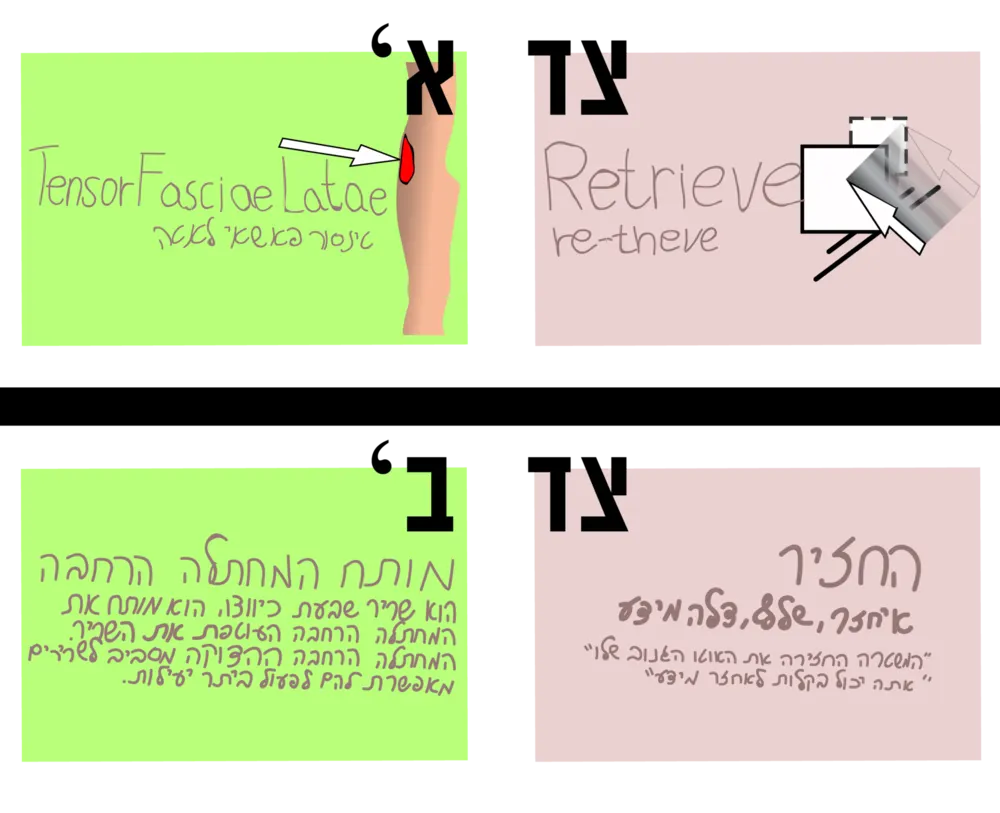
Flashcards work best when the learner owns the system
Some learners enjoy spaced review, while others prefer conversation or reading. If the recipient already uses Anki or a similar tool, ask what would help their routine rather than giving a random deck. Official documentation is a better starting point for the workflow than an unsupported claim that a pack contains the perfect vocabulary. Avoid buying or distributing copied learning content without clear rights. A blank card set or a small contribution toward a resource the learner chooses can be more useful than thousands of unfamiliar prompts. The learner needs to understand the material, not merely accumulate it.
A tutoring session should be chosen with the learner
Conversation practice can be a strong gift if the learner wants it. Ask about the preferred tutor, format, language variety, schedule and goals. Do not book a surprise session in which they are expected to perform in front of friends or relatives. Check cancellation terms and whether the provider can accommodate the intended level. A small trial or contribution gives the learner more control than a long package selected by someone else. The quality of the fit matters more than the number of prepaid hours. Leave room for them to change their mind after trying a new format.
A notebook can support one clear task
A simple notebook is useful when it has an intended role, such as recording useful phrases from a lesson or keeping short reading notes. Choose the size and page format the learner likes. Do not pre-fill it with corrections or a demanding schedule unless they have asked for that structure. A practical first page might contain a few questions they want to be able to answer, written by the learner after receiving it. If they prefer digital notes, respect that. The gift should support the way they remember and practise, not force a return to paper because it looks more suitable for wrapping.
Share an activity without turning it into a test
You can offer a film evening, a bookshop visit or a meal built around the learner's interests, with their agreement. Let them decide how much of the target language to use. Avoid correcting every sentence or asking them to demonstrate new words to prove the gift is working. Confidence and privacy matter in a learning routine. A shared activity can be valuable simply because it connects the language with something enjoyable. If a paid event is involved, verify its actual format and accessibility rather than assuming the language label alone makes it appropriate.
Before paying, write down the target language, current level, preferred format and any ongoing cost. Keep an exchange option for books and avoid creating accounts on the recipient's behalf. No current price or learning-outcome claim is invented here. The best language gift makes the next practice session easier to begin and gives the learner ownership of what happens next. It may be a short book they can finish, one chosen lesson or time with someone who is happy to listen without making every conversation an examination.
Browse language learners gift ideas on Amazon → (Check current reviews, price and returns on the product page.)
Sources and scope
- Anki: getting started: Software documentation; learning workflow, not a promise of language outcomes.
- Moleskine notebook formats: Manufacturer; ruled, plain, squared and dotted page formats and size options; no claim of independent paper testing.