Gifts for Sewing Beginners: Build Around One Finishable Project
Affiliate disclosure: This page contains affiliate links. If you buy through them we may earn a small commission at no extra cost to you. As an Amazon Associate I earn from qualifying purchases. Read our full disclosure.
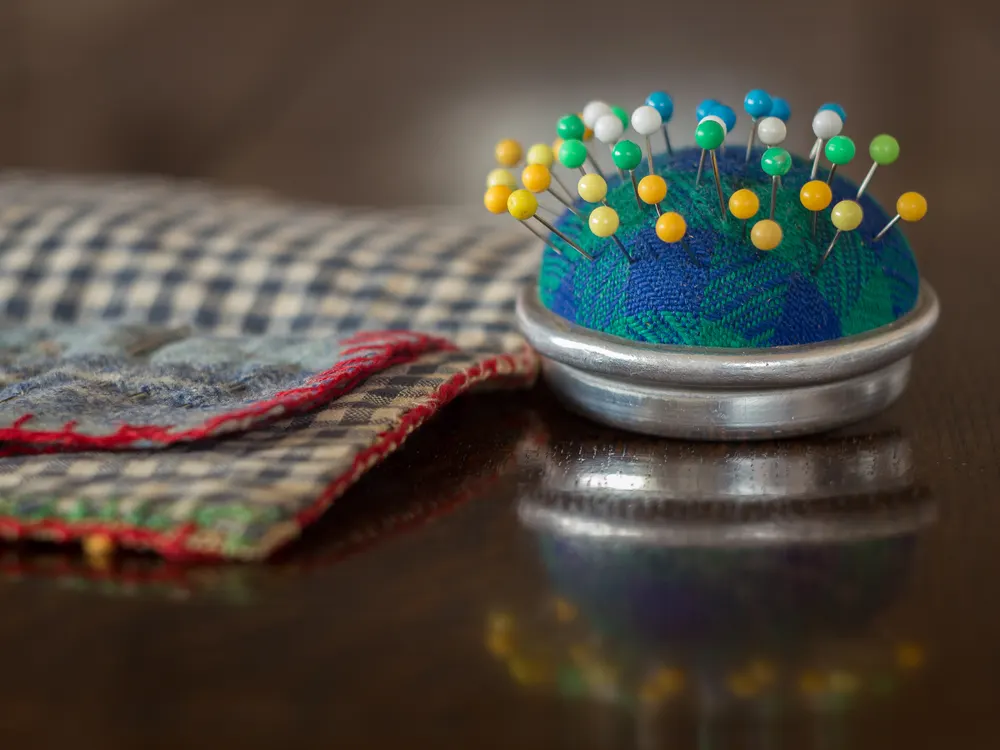
Picture the snip of sharp scissors through fabric, the hum of stitching, and the moment they hold up the first thing they finished themselves.
This guide helps you build the gift around one project a beginner can actually finish.
What's on the list:
- Choose the project before assembling the kit
- Useful hand tools need clear roles
- Fabric is a project purchase, not just a colour choice
- A machine is best selected together
How we picked:
- We compared buying needs, product categories and fit questions; we have not tested these items in person.
- We do not list prices or ratings, which change; check the retailer page before buying.
- Facts checked against the linked sources on 20 October 2026.
A sewing beginner can be overwhelmed by equipment before they have made a first useful object. A thoughtful gift narrows the task: one project, the right materials and a way to get help when something is unclear. Ask whether the recipient wants to sew by hand, use a machine or explore both. This guide offers shopping briefs rather than tested machine recommendations. Brother's educational resources are a starting point for understanding sewing categories; they do not establish that one machine suits every learner. Check local support and the exact product before buying anything substantial.
Choose the project before assembling the kit
A simple bag, cushion cover or other beginner project can provide a clear goal, but let the recipient or teacher choose the pattern. Check the required techniques and materials. A project labelled “easy” may still assume knowledge the beginner has not learned. Buy legitimate instructions with readable diagrams and the language they prefer. Match the fabric and notions to that pattern rather than choosing each item independently because it looks attractive. A complete, modest project is more encouraging than an enormous collection of supplies that leaves the recipient wondering what to make first.
Useful hand tools need clear roles
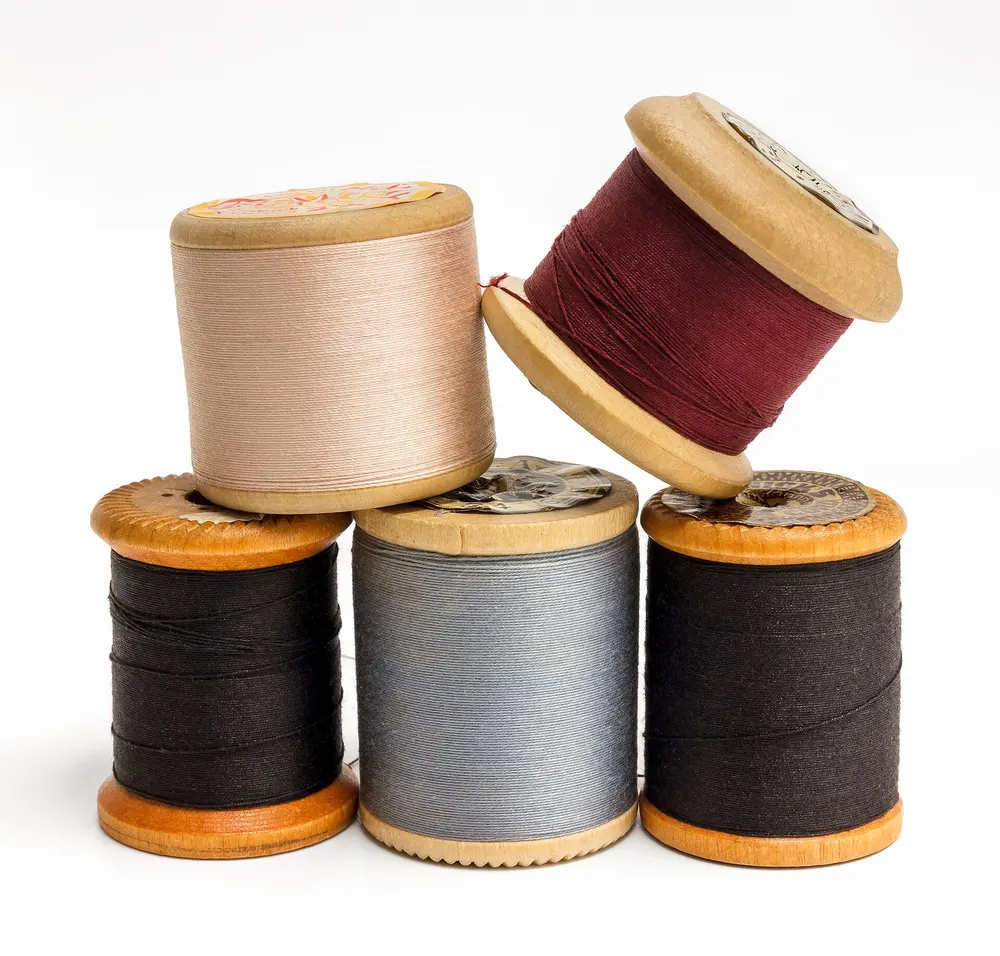
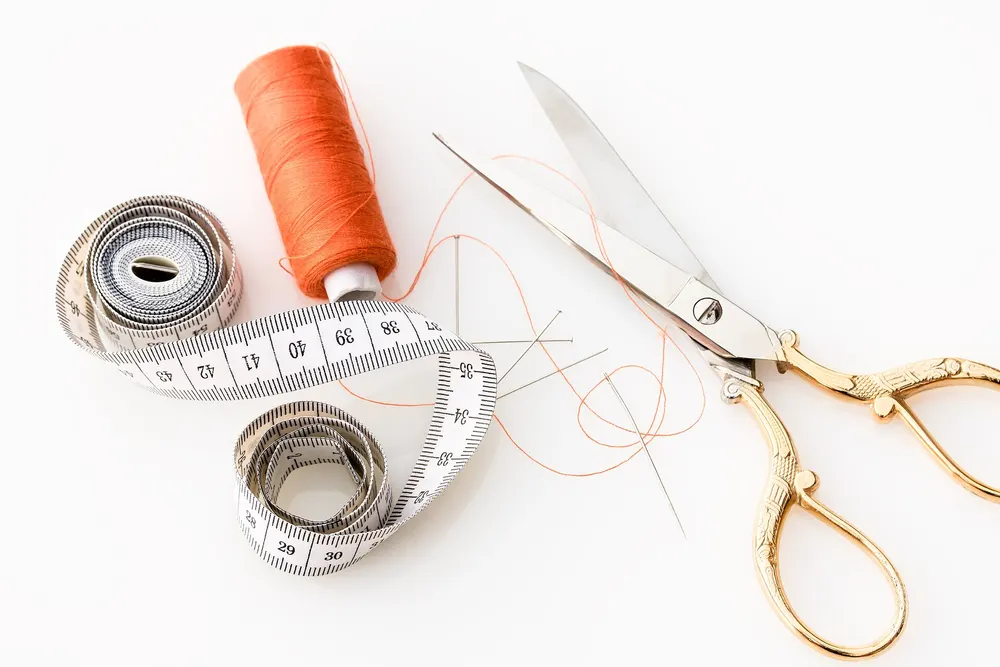
Measuring, marking, cutting and handling fabric are different tasks. Ask what the learner already owns and which tools a class requires. Choose a small number of suitable items with readable instructions rather than a generic bundle containing many unfamiliar pieces. Scissors and other sharp tools should be appropriate to the user and stored responsibly. Do not assume a child can use an adult kit without supervision. If the recipient is unsure, a class materials list is a better brief than a retail display. The gift should make the first session easier to set up and put away.
Fabric is a project purchase, not just a colour choice
The pattern's fabric guidance matters. Ask about type, width, quantity and any preparation expected before cutting. A beautiful fabric can be difficult for a first attempt, and too little material can stop a project before it begins. Keep the label and receipt so the recipient can identify or exchange it where possible. If the learner wants to experiment, choose a small amount of suitable practice material rather than a precious piece they may feel afraid to cut. The point is to make trying possible, including the likelihood of an imperfect seam or a second attempt.
A machine is best selected together
A sewing machine involves space, local electrical compatibility, servicing, controls and accessories. It is a substantial personal decision, especially for a beginner who has not tried different layouts. Ask a teacher or knowledgeable retailer to help establish the real needs. Do not buy on stitch count alone. Confirm which accessories are included, what the learner will need immediately and how support works in their location. Avoid a surprise import that creates a voltage, warranty or repair problem. A contribution toward a machine chosen together can be more generous than an impressive box that is difficult to use.
Learning time belongs in the budget
A class, introductory lesson or patient session with an experienced friend can be the most useful part of the gift. Check the date, skill assumptions, equipment provided and whether the participant brings their own machine. Give the recipient control over the schedule. If you offer help yourself, keep it specific and welcome: setting up the workspace, reading the pattern together or helping pack away. Do not take over the project to make it look better. A beginner's first finish should remain theirs, even if the result is uneven and the process takes longer than expected.
Use a short shopping checklist: pattern, suitable materials, required tools, storage and a source of help. Cross off anything already owned before buying more. No current price, machine test result or guaranteed skill outcome is supplied here. The best sewing gift creates a manageable beginning. It might be a clearly matched project kit, one good tool or a lesson selected together. It should leave the recipient wanting to try another seam rather than feeling responsible for mastering a room full of equipment simply because someone gave it to them.
Browse sewing beginners gift ideas on Amazon → (Check current reviews, price and returns on the product page.)
Sources and scope
- Brother: learning sewing and embroidery: Manufacturer/educator; machine category and learning resources.